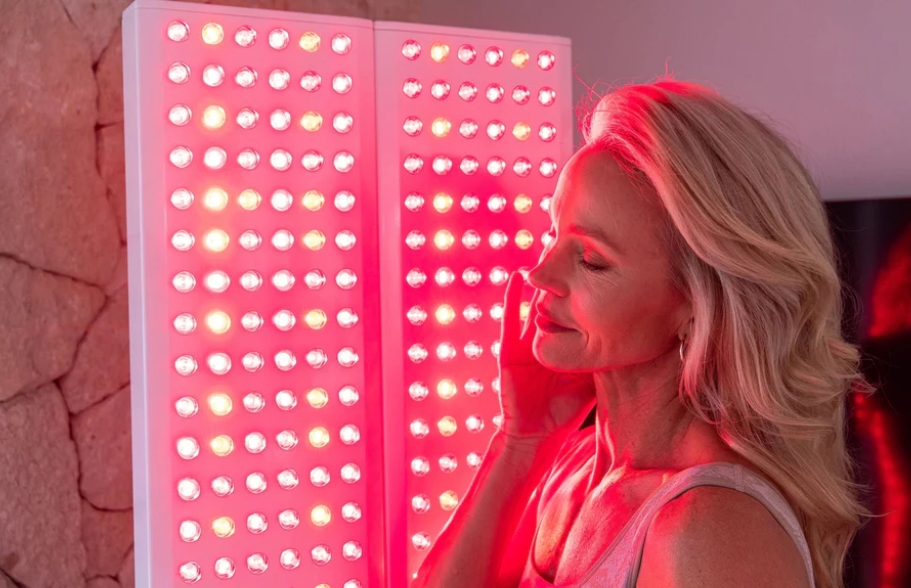
Ultimate Guide to Using Light Therapy Lamps for Restful Sleep
If you’ve ever felt sluggish after a string of cloudy days or noticed your energy dip in the winter, you’ve experienced the powerful effect light has on your body. But what if you could harness that power to improve your sleep? Light therapy lamps, once a niche tool for treating seasonal affective disorder (SAD), are now becoming a popular way to regulate sleep cycles and enhance overall well-being.
This guide will explain the science behind how light impacts your sleep and show you how to use a light therapy lamp effectively. We’ll cover everything from choosing the right device to establishing a routine that can lead to more restful nights and energized days.
How Light Impacts Your Sleep: The Science
Your body runs on an internal 24-hour clock known as the circadian rhythm. This rhythm governs your sleep-wake cycle, influencing when you feel sleepy and when you feel alert. Light is the single most important environmental cue that keeps this internal clock in sync.
When you’re exposed to bright light in the morning, your brain receives a signal to suppress the production of melatonin, the hormone that makes you feel sleepy. This helps you wake up and feel alert. Conversely, as natural light fades in the evening, your body starts producing melatonin, preparing you for sleep.
Disruptions to this natural cycle—caused by things like irregular schedules, screen time before bed, or lack of morning sunlight—can throw your circadian rhythm out of whack. This can lead to difficulty falling asleep, poor sleep quality, and daytime fatigue. Light therapy works by providing a concentrated dose of bright light at a specific time to help reset and reinforce this natural rhythm.
Choosing the Right Light Therapy Lamp
With many options on the market, selecting the right lamp can feel overwhelming. Here are a few key features to look for:
- Brightness (Lux): The intensity of a light therapy lamp is measured in lux. For effective treatment, experts recommend a lamp that provides 10,000 lux. Lamps with lower lux levels are available, but you’ll need to use them for longer periods to achieve the same effect.
- UV Filtering: Ensure the lamp filters out harmful UV rays. Your lamp should be labeled as “UV-free” to protect your eyes and skin.
- Size and Design: Consider the size of the light-emitting surface. A larger surface area can provide a more even distribution of light, making your session more comfortable and effective. Think about where you’ll use the lamp—do you need a portable model for your desk or a larger one for your living room?
For those looking to enhance their wellness routine, exploring brands like Earthing Canada can offer a range of products designed to support your body’s natural processes.
Best Practices for Using Light Therapy
To get the most out of your light therapy lamp, consistency is key. Follow these best practices to establish an effective routine:
- Timing is Everything: The most common recommendation is to use the lamp for 20-30 minutes within the first hour of waking up. Morning light exposure is most effective for anchoring your circadian rhythm.
- Positioning Matters: Place the lamp about 16 to 24 inches from your face. The light should be positioned off to the side, at an angle, so it enters your eyes indirectly. You should never look directly into the lamp.
- Make it a Habit: Incorporate your light therapy session into your morning routine. You can use it while you eat breakfast, check emails, or read a book. Consistency will help your body adapt and respond to the treatment.
Addressing Potential Side Effects
Light therapy is generally safe, but some people may experience mild side effects, especially when first starting. These can include:
- Eyestrain
- Headaches
- Nausea
- Agitation or irritability
These effects are usually temporary and can often be resolved by reducing the session duration, moving the lamp further away, or taking short breaks. If symptoms persist, it’s always a good idea to consult with a healthcare professional.
Embrace Light for Better Sleep
Integrating a light therapy lamp into your daily routine is a simple yet powerful way to support your body’s natural sleep-wake cycle. By providing your body with the bright light it needs in the morning, you can improve your sleep quality, boost your daytime energy, and enhance your overall mood.
For those dedicated to holistic health, products from Earthing Canada can complement practices like light therapy, helping you create a comprehensive wellness strategy. By being mindful of the environmental cues that influence your body, you can take meaningful steps toward a more balanced and restful life.












Post Comment