The Winter Greenhouse: Why the Dark Months Are a Gardener’s Secret Season
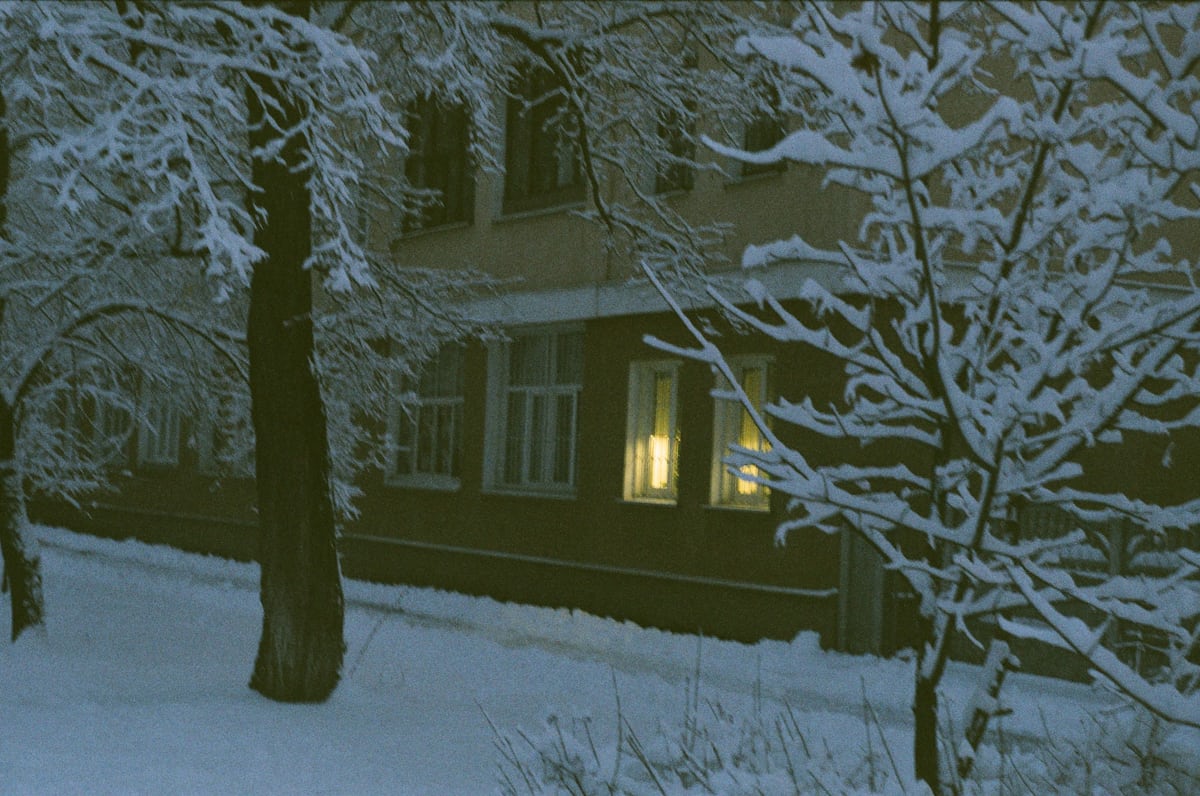
There is a moment in early January, usually on a morning when the rest of the garden is locked under frost and the sky the colour of old pewter, when I push open the greenhouse door and step into an entirely different world. The temperature inside is only marginally above freezing — this is a cold greenhouse, not a tropical one — but the air has a quality of aliveness that the outdoors completely lacks: that particular damp, green scent that is the smell of plants quietly continuing their business regardless of what the calendar says.
A few trays of overwintered seedlings on the lower staging. Pots of tender perennials sitting dormant but intact. A row of terracotta pots planted up with lamb’s lettuce and winter purslane that will provide salad leaves for the kitchen table next week. And somewhere at the back, always slightly more chaotic than the rest, the dahlia tubers and canna rhizomes sitting in their barely-damp compost, looking inert but alive.
None of this is dramatic. But for a gardener who has spent any time in a greenhouse through a British winter, it represents something genuinely valuable: the knowledge that the growing year has not paused but merely changed pace, and that the work done now — quiet, unglamorous, mostly invisible — is what makes the spring explosion possible.
What a Winter Greenhouse Actually Does
It is worth being precise about the different functions a greenhouse serves in winter, because they are distinct and require slightly different management. The most immediately practical is frost protection: keeping the temperature inside consistently above 0°C so that tender plants do not die. This is achievable in most of the UK without much supplementary heat — a basic thermostatically controlled heater running only when temperatures drop is usually sufficient.
Beyond frost protection lies the possibility of genuinely productive growing. A cool greenhouse maintained at 5–7°C minimum will support a range of winter vegetables and salads that grow slowly but steadily through the darkest months. And beyond productivity lies something harder to quantify but no less real: the pleasure of having somewhere to go and something to tend during the months when the main garden is unavailable.
Frost Protection: The Minimum Requirement
A cold greenhouse — one with no supplementary heating — offers passive frost protection that should not be underestimated. On a night when the outdoor temperature falls to -4°C, the temperature inside a closed, reasonably draught-proof greenhouse will typically remain a degree or two above freezing. Covering plants inside with a layer of horticultural fleece on forecast frosty nights adds a further margin of safety.
For anyone planning to overwinter genuinely tender plants, some supplementary heat will almost certainly be necessary. Electric fan heaters with integral thermostats are the most controllable and reliable option. Set the thermostat to 5°C and the heater runs only when temperatures actually drop to that point, keeping running costs manageable. The fan also maintains air circulation, which is important for preventing the damp conditions that encourage botrytis and other fungal diseases.
Managing the Winter Environment
Beyond temperature, the two most important environmental factors in the winter greenhouse are ventilation and light. Both are frequently mismanaged by gardeners who assume that the greenhouse in winter should be kept tightly shut to conserve warmth — an understandable instinct that unfortunately leads to exactly the conditions in which fungal diseases thrive.
Ventilation should continue through winter, albeit in a modified form. On mild days open a roof vent for a few hours to refresh the air inside and allow excess moisture to escape. Light is the limiting factor in winter greenhouse growing. Clean the glazing inside and out in autumn — dirty glass or polycarbonate can reduce light transmission by 20% or more — and position the most light-hungry plants in the brightest spots.
What to Grow Through Winter
The range of crops that will genuinely produce through winter under minimal or no heat is broader than most gardeners expect. Winter salads — lamb’s lettuce, winter purslane, land cress, spinach, mizuna, and the hardier Oriental leaves — are the backbone of the productive winter greenhouse. Microgreens are a revelation: sown densely into shallow trays and harvested at the seedling stage within two to three weeks of sowing, they provide intensely flavoured produce year-round regardless of low winter light levels.
Amateur Gardening covers winter growing and season extension techniques in accessible, practical detail — including advice on what to sow and when, how to manage unheated and lightly heated structures through the coldest months, and how to make the most of the brief windows of mild weather that even December and January usually offer.
The Pleasures of the Long View
The gardener who uses their greenhouse through winter begins to understand something that fair-weather gardeners miss: the growing year is not a bounded thing with a clear start and end but a continuous, overlapping cycle in which today’s work always connects to something months away. The tomato seeds sown in February in the cool greenhouse are eaten in August. This long view changes the relationship with the garden — it makes you more attentive to transitions and timing, more conscious of the connections between seasons.
If you are considering making the investment, Dobbies stocks a range of greenhouse and growhouse options — from simple frost-protection structures through to well-insulated production greenhouses — and browsing the range will give you a useful sense of what is available at different price points.













Post Comment