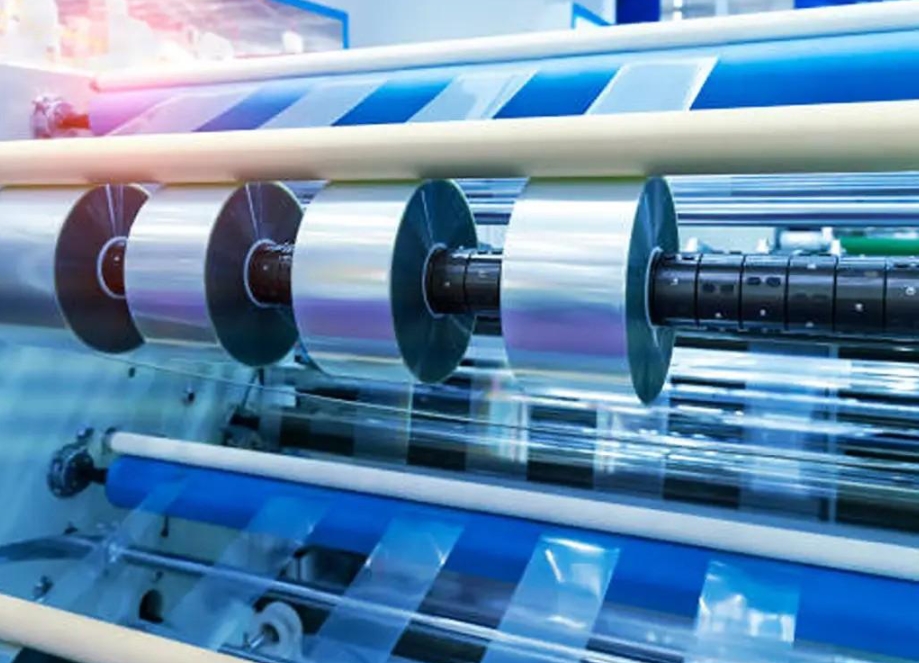
The Science of Ink Adhesion: How Corona-Treated Heat Sealable PET Film Outperforms in Printing Applications
Ink adhesion is one of the most critical factors in the performance of printed flexible packaging. No matter how visually striking a design may be, poor ink bonding can lead to smudging, fading, delamination, and overall product failure during handling, sealing, transport, or end use. As packaging continues to evolve toward high-speed printing, vibrant graphics, and sustainable materials, the science behind ink adhesion has become more critical than ever. Among the many substrate options available today, corona-treated Heat Sealable Pet Film has emerged as a superior solution for consistent and durable print performance.
Understanding PET Film and Its Role in Printing
Polyethylene terephthalate (PET) is widely used in the packaging industry for its excellent mechanical strength, thermal stability, transparency, and chemical resistance. PET film provides a smooth, uniform surface ideal for high-quality printing applications, such as food packaging, pharmaceutical wraps, labels, and industrial laminates. However, untreated PET film naturally has a low surface energy, making it difficult for inks and coatings to properly wet and bond to its surface. This limitation is where surface treatment technologies, particularly corona treatment, play a decisive role.
What Is Heat-Sealable PET Film?
Heat-sealable PET film is a modified form of PET that includes a heat-activated sealing layer, allowing it to bond to itself or other substrates when exposed to controlled heat and pressure. This property makes it highly desirable for packaging applications that require secure seals and attractive printing to coexist. Heat-sealable PET film is often used in lidding films, pouch structures, and flow-wrap packaging, where both aesthetics and functionality are equally important. When combined with effective surface treatment, this type of film becomes an ideal substrate for advanced printing processes.
The Science Behind Ink Adhesion
A combination of physical and chemical interactions between the ink and the substrate governs ink adhesion. For proper adhesion to occur, the ink must first wet the surface, meaning it spreads evenly rather than forming droplets. This wetting behavior depends largely on surface energy. A substrate with higher surface energy allows inks to flow and anchor more effectively. Once wetting occurs, adhesion is reinforced through molecular attraction, mechanical interlocking, and, in some cases, chemical bonding. Without sufficient surface energy, even the highest-quality inks will fail to adhere correctly.
Why Untreated PET Struggles with Ink Bonding
Untreated PET film has a relatively inert, non-polar surface that resists interaction with most printing inks. This results in poor wetting, weak anchorage, and reduced print durability. In practical terms, this can cause ink to rub off during post-print processing, crack during heat sealing, or fade under environmental stress. For high-speed printing lines and demanding packaging applications, these shortcomings can lead to increased waste, production delays, and customer dissatisfaction.
Corona Treatment Explained
Corona treatment is a surface modification process that uses high-voltage electrical discharge to alter the surface properties of polymer films. During treatment, the PET film passes under a corona discharge station, where ionized air interacts with the film surface. This interaction breaks molecular bonds and introduces polar functional groups such as hydroxyl, carbonyl, and carboxyl groups. As a result, the surface energy of the PET film increases significantly, making it far more receptive to inks, coatings, and adhesives.
How Corona Treatment Improves Ink Adhesion
The introduction of polar groups on the PET surface dramatically enhances ink wetting and anchorage. Printing inks, whether solvent-based, water-based, or UV-curable, spread more uniformly across the surface and form stronger bonds. This improved interaction leads to sharper print definition, more vibrant colors, and greater resistance to abrasion and chemical exposure. Corona-treated heat-sealable PET film ensures that printed designs remain intact throughout the packaging lifecycle, from printing and sealing to distribution and consumer handling.
Compatibility with Multiple Printing Technologies
One of the key advantages of corona-treated, heat-sealable PET film is its compatibility with a wide range of printing technologies. Flexographic printing benefits from improved ink transfer and reduced dot gain, while gravure printing achieves deeper color density and consistent image reproduction. Digital printing also performs better on treated PET surfaces, as enhanced adhesion reduces issues such as ink bleeding and poor curing. This versatility makes corona-treated PET film a preferred choice for converters working with diverse printing setups.
Performance During Heat Sealing and Post-Processing
Printing performance does not end at ink adhesion alone. In many packaging applications, printed films must withstand heat sealing, lamination, and mechanical stress without compromising print quality. Corona-treated heat-sealable PET film excels in this area by maintaining ink integrity even under elevated temperatures. The strong bond between ink and substrate minimizes cracking, peeling, or discoloration during sealing operations. This ensures that packaging maintains both its visual appeal and functional performance.
Enhanced Durability and Shelf Life
Durability is a crucial requirement in modern packaging, especially for products exposed to moisture, oils, friction, or varying temperatures. Corona-treated heat-sealable PET film offers superior resistance to abrasion, chemicals, and environmental factors. Strong ink adhesion prevents fading and scuffing, helping brands maintain a consistent appearance on store shelves. This extended durability translates into longer shelf life, reduced returns, and enhanced brand perception.
Consistency and Quality Control in Printing Operations
From a production standpoint, corona-treated PET film contributes to more consistent printing results and better quality control. Improved ink adhesion reduces the need for frequent press adjustments, reprints, or changes to ink formulation. Printers can achieve stable performance at higher speeds, improving productivity and lowering operational costs. This reliability is particularly valuable in large-scale commercial printing where consistency across batches is essential.
Sustainability Considerations
As sustainability becomes a primary focus in packaging, material efficiency and waste reduction are increasingly important. Better ink adhesion means fewer rejected prints and less material waste during production. Additionally, corona treatment is a dry, chemical-free process that does not introduce harmful residues. When used with recyclable PET structures, corona-treated, heat-sealable PET film supports more sustainable packaging solutions without sacrificing print quality.
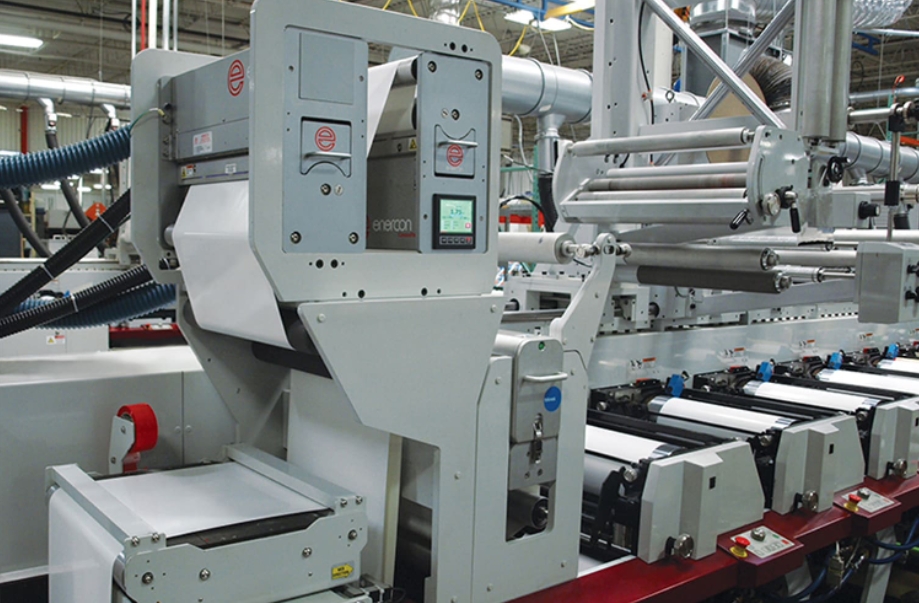
Applications Across Industries
Corona-treated heat-sealable PET film is widely used across industries such as food and beverage, pharmaceuticals, personal care, and industrial packaging. In food packaging, it ensures compliance with hygiene standards while delivering attractive branding. In the pharmaceutical industry, it provides clear, durable printing for critical product information. In consumer goods, it enhances shelf appeal and product differentiation. Its adaptability makes it a versatile solution for a broad range of printing applications.
Future Trends in Ink Adhesion and Surface Treatment
Advancements in ink chemistry and printing technology continue to raise the bar for substrate performance. As inks become more specialized and printing speeds increase, the demand for reliable surface treatment will grow. Corona-treated heat-sealable PET film is well-positioned to meet these evolving requirements, offering a proven balance of printability, sealability, and durability. Ongoing innovations in treatment control and film engineering will further enhance its performance in the years to come.
Conclusion
The science of ink adhesion plays a decisive role in the success of printed packaging, and corona-treated, heat-sealable PET film and Heat Sealable Bopp Film stand out as high-performance solutions. By increasing surface energy and improving ink interaction, corona treatment transforms PET film into an ideal substrate for modern printing applications. The result is superior print quality, enhanced durability, reliable heat sealing, and greater production efficiency. For brands and converters seeking consistent, high-quality printing with long-lasting results, corona-treated, heat-sealable PET film clearly outperforms conventional alternatives.













Post Comment