The Homeowner’s Roadmap to a New Roof: Assessing Damage, Choosing the Right Contractor, and Maximizing Longevity
A new roof is more than a home improvement project; it’s a critical investment in your property’s safety, efficiency, and long-term value. Yet for many homeowners, the process of replacing a roof can feel complex and overwhelming. From identifying damage to selecting the right contractor and ensuring your new roof lasts for decades, every step matters.
This homeowner’s roadmap is designed to simplify the process. Whether you’re dealing with storm damage, an aging roof, or planning a proactive upgrade, understanding the full scope of roof replacement will help you make confident, informed decisions.
Step One: Assessing Roof Damage and Understanding the Warning Signs
The first step toward a new roof begins with understanding the condition of your existing one. Some roof problems are obvious, while others develop slowly and remain hidden until significant damage occurs.
Visible signs such as missing shingles, cracked or curling materials, sagging rooflines, or granules collecting in gutters often indicate advanced wear. Inside the home, water stains on ceilings, unexplained moisture, mold growth, or rising energy bills can point to roofing issues that extend beyond surface-level damage.
Weather events also play a major role in roof deterioration. High winds, hail, heavy rain, and prolonged heat can weaken roofing materials over time. Even if damage isn’t immediately visible, repeated exposure can compromise the integrity of the system.
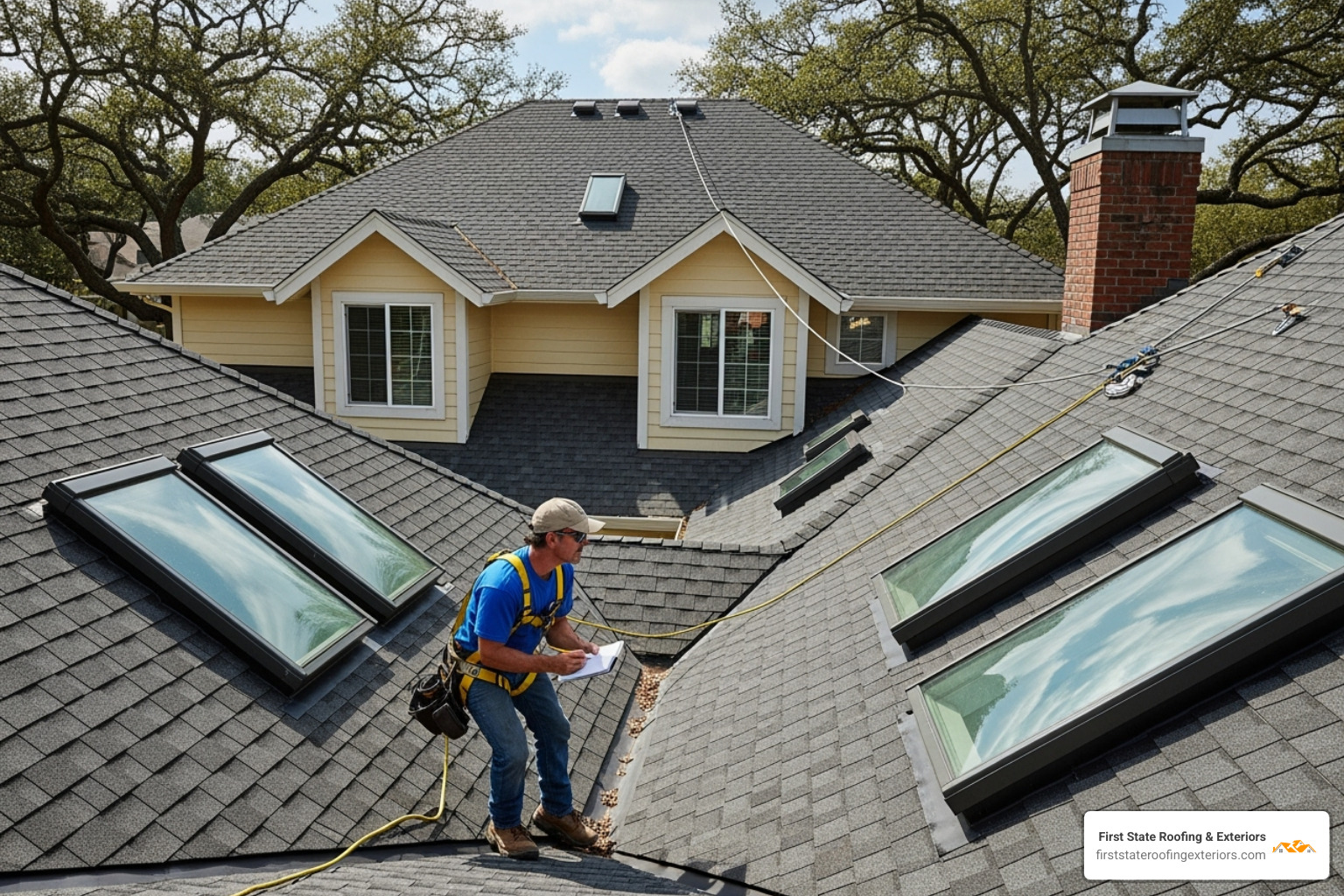
A professional roof inspection is the most reliable way to assess damage accurately. An experienced contractor can identify issues with shingles, flashing, underlayment, ventilation, and decking components that are easy to overlook without trained expertise.
Step Two: Repair or Replace Making the Right Call
One of the most common homeowner dilemmas is deciding whether to repair an existing roof or move forward with a full replacement. While repairs may seem more affordable upfront, they are not always the most cost-effective long-term solution.
If your roof is relatively new and damage is isolated to a small area, repairs may be sufficient. However, when a roof approaches the end of its expected lifespan typically 20 to 30 years for asphalt shingles ongoing repairs can quickly add up without addressing underlying deterioration.
Widespread shingle failure, recurring leaks, structural sagging, or compromised decking usually signal the need for replacement. A new roof provides a fresh start, eliminates recurring repair costs, and offers modern materials designed for improved durability and energy efficiency.
Step Three: Choosing the Right Roofing Contractor
Selecting the right contractor is one of the most important decisions in the roof replacement process. The quality of installation directly impacts the lifespan, performance, and warranty protection of your new roof. Working with an experienced general contractor ensures proper management of the project from start to finish.
A reputable contractor should be fully licensed and insured, with a strong local reputation and verifiable customer reviews. Clear communication, detailed written estimates, and transparent timelines are essential indicators of professionalism.
Homeowners in North Texas often turn to Veteran Brothers Roofing & Restoration in Fort Worth for dependable craftsmanship and customer-focused service. Working with a trusted local company ensures accountability, familiarity with regional weather challenges, and long-term support after installation.
Avoid contractors who pressure you into quick decisions, offer unusually low prices, or request full payment upfront. Quality roofing is an investment, and choosing experience over shortcuts pays off in long-term performance.
Step Four: Selecting Materials That Match Your Home and Climate
The roofing material you choose plays a significant role in durability, appearance, and maintenance requirements. Asphalt shingles remain the most popular option due to their affordability and versatility, offering reliable protection for most residential homes.
Metal roofing is increasingly popular for its longevity, energy efficiency, and resistance to extreme weather. Tile and slate options provide exceptional durability and visual appeal but require additional structural support and higher upfront investment.
Your contractor should help you evaluate material options based on your budget, architectural style, and local climate conditions. Choosing the right material ensures your roof performs well and complements your home’s overall design.
Step Five: Maximizing the Lifespan of Your New Roof
Once your new roof is installed, proper care and maintenance are essential to maximizing its lifespan. Routine inspections, especially after severe weather, help catch small issues before they escalate.
Keeping gutters clear, trimming overhanging branches, and ensuring proper attic ventilation all contribute to long-term roof health. Adequate ventilation prevents heat and moisture buildup, reducing the risk of premature material failure and mold growth.
Working with a contractor that offers strong workmanship warranties and post-installation support adds an extra layer of protection. A well-installed and well-maintained roof can last decades and provide consistent peace of mind.
Frequently Asked Questions About Getting a New Roof
How do I know if my roof damage requires a full replacement?
A full roof replacement is usually recommended when damage is widespread, shingles are failing across multiple areas, or the roof is near or past its expected lifespan. Recurring leaks, sagging sections, and visible deterioration often indicate that repairs will no longer provide a long-term solution. A professional inspection is the best way to determine the right course of action.
How long does the roof replacement process typically take?
Most residential roof replacements are completed within one to three days. The timeline depends on factors such as roof size, material type, weather conditions, and whether any structural repairs are needed. Your contractor should provide a clear schedule before work begins.
Will my homeowner’s insurance cover a new roof?
Homeowner’s insurance may cover roof replacement if the damage is caused by a covered event such as hail, wind, or falling debris. Damage resulting from normal wear and aging is typically not covered. A qualified roofing contractor can help document damage and assist with the insurance claims process if applicable.
What is the best time of year to replace a roof in North Texas?
Spring and fall are often ideal due to milder temperatures, but experienced roofing contractors can perform roof replacements year-round. Scheduling flexibility and material availability often matter more than the season itself.
How long will a new roof last?
The lifespan of a new roof depends on the materials used and the quality of installation. Asphalt shingles typically last 20 to 30 years, while metal, tile, and slate roofs can last significantly longer. Proper ventilation, routine maintenance, and professional installation all contribute to maximizing longevity.
Take the Next Step Toward a Better Roof
Replacing your roof doesn’t have to be overwhelming. By following a clear roadmap assessing damage, making informed repair or replacement decisions, choosing the right contractor, and maintaining your new system you can protect your home and maximize your investment.
Partnering with experienced professionals like Veteran Brothers Roofing & Restoration in Fort Worth ensures your roof replacement is handled with care, precision, and long-term reliability. With the right approach, your new roof will deliver lasting protection, improved efficiency, and confidence for years to come.
Business Name: Veteran Brothers Roofing & Restoration
Address: 5310 N Tarrant Pkwy #128, Fort Worth, TX 76137
Phone number: (817) 415-0067














Post Comment