Self-Care and Mental Health: How the Right Treatments Make a Difference
These days, “self-care” has become a bit of a buzzword, a casualty of therapy speak. It is often depicted as a luxury—a bubble bath, a scented candle, or a weekend getaway.
While these moments of relaxation are certainly pleasant, true self-care runs much deeper. It is the active practice of protecting one’s own well-being and happiness, particularly during periods of stress.
At its core, self-care is a fundamental pillar of mental health.
The connection between our physical health, our environment, and our psychological state is inseparable. When we neglect one, the others inevitably suffer.
However, the path to wellness isn’t a one-size-fits-all journey. Making a real difference in your mental health often requires a multi-faceted approach involving professional treatments tailored to your specific needs.
Let’s learn how to move the needle on your mental health with the right approach.
The Mind-Body Connection in Mental Health
We often treat the mind and body as two distinct entities, but science tells a different story. Physical ailments can lead to depression and anxiety, just as chronic stress can manifest as physical pain or illness.
Recognizing this link is the first step toward effective self-care.
For many, physical tension is the primary language of stress. We carry our worries in our shoulders, our necks, and our lower backs. When this tension becomes chronic, it signals to the brain that we are in a constant state of “fight or flight,” making it nearly impossible to feel mentally at ease.
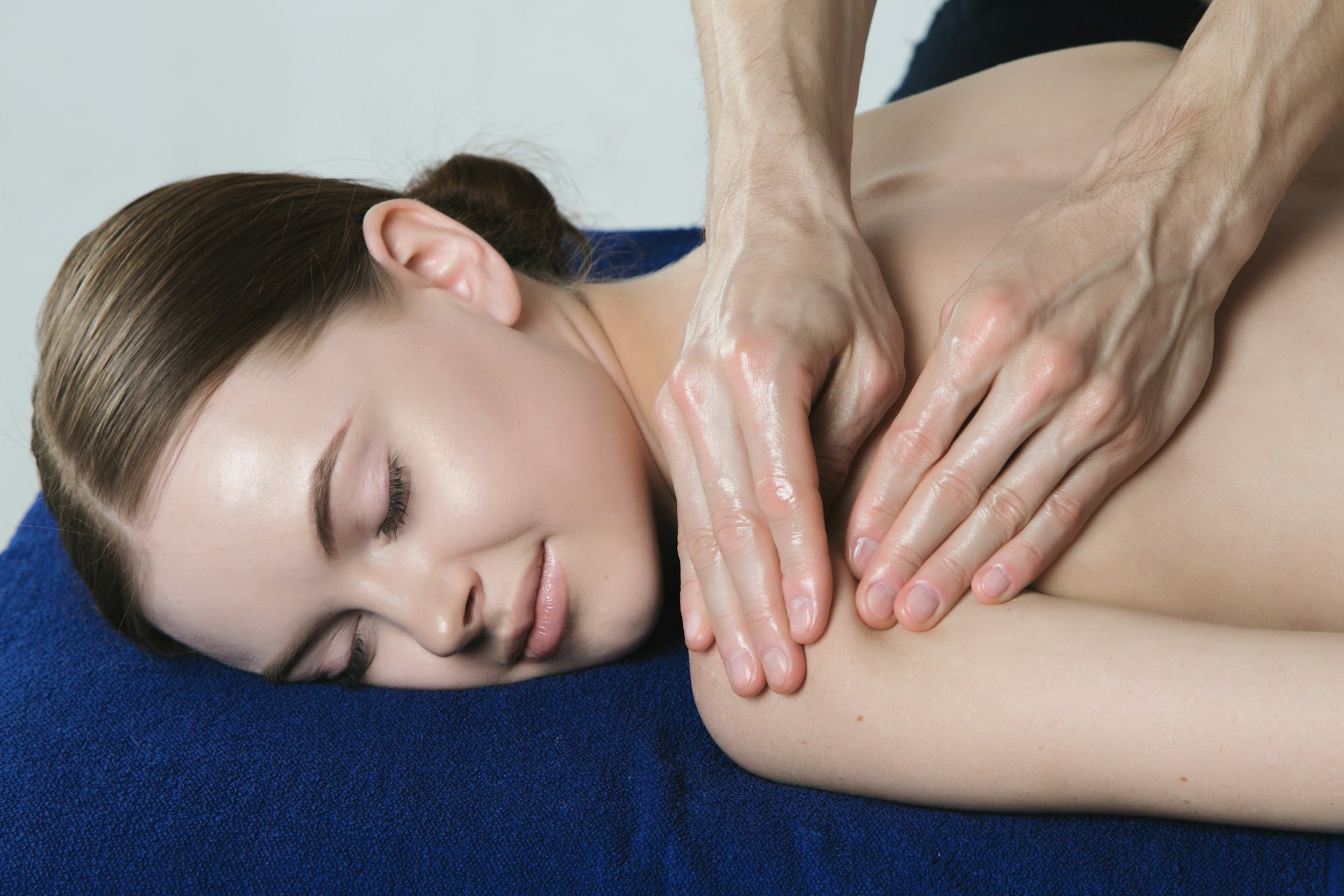
This is where physical intervention becomes a mental health tool. Utilizing professional help, like our favorite massage therapy in Ajax, can help break this cycle.
By physically releasing the tension held in the muscles, you send a signal to the nervous system that it is safe to relax, lowering cortisol levels and providing a much-needed mental reset.
Addressing the Internal Narrative
While physical relief is vital, mental health also requires us to look inward. Our thoughts, past experiences, and coping mechanisms dictate how we navigate the world. Sometimes, the “right treatment” means seeking a safe space to unpack these complexities.
Professional therapy is not just for moments of crisis, really. It is a proactive way to maintain mental hygiene.
Engaging with (again) professional help, like these counselling services in Windsor, provides individuals with the tools to manage anxiety, process grief, or simply understand their emotional patterns better.
Having a neutral, professional perspective allows you to challenge negative thought patterns that may be holding you back.
When you invest in your mental clarity, you improve your resilience, making you better equipped to handle the curveballs life inevitably throws your way.
Holistic Health vs. Specialized Care
Self-care also involves recognizing when systemic health issues are impacting our mental state. For example, the relationship between metabolic health and mental well-being is profound.
Conditions such as obesity are often linked to hormonal imbalances, sleep apnea, and chronic inflammation, all of which are significant contributors to depression and low self-esteem.
In these instances, self-care means moving beyond willpower and seeking medical expertise. For those struggling with the complex intersection of weight and wellness, exploring comprehensive solutions, like these obesity treatments in Guelph, can be life-changing.
When you address the underlying physiological factors of weight management, you’ll often find an accidental “side effect”: a significant boost in mood, energy levels, and overall mental outlook.
Taking control of your health through specialized medical guidance is an act of profound self-respect.
Building Your Self-Care Toolkit
The “right” treatments are the ones that address your unique barriers to happiness. To make a difference in your mental health, consider these three steps:
- Audit your stress: Where do you feel it? If it’s physical, look toward bodywork. If it’s cognitive or emotional, look toward therapy.
- Remove the stigma: You must have heard this a lot, but it’s true: Seeking professional help—whether it’s a doctor, a therapist, or a massage therapist—is not a sign of weakness. It is a strategic move toward a better life.
- Be consistent: Mental health isn’t “fixed” in a day. It is maintained through consistent choices and the willingness to adjust your treatments as your life changes.
Ultimately, self-care is about giving yourself permission to function at your best. Whether it’s through physical release, emotional exploration, or medical intervention, the right treatments provide the foundation upon which a healthy, vibrant life is built. When we prioritize our well-being, we don’t just feel better—we live better. Thrive!














Post Comment