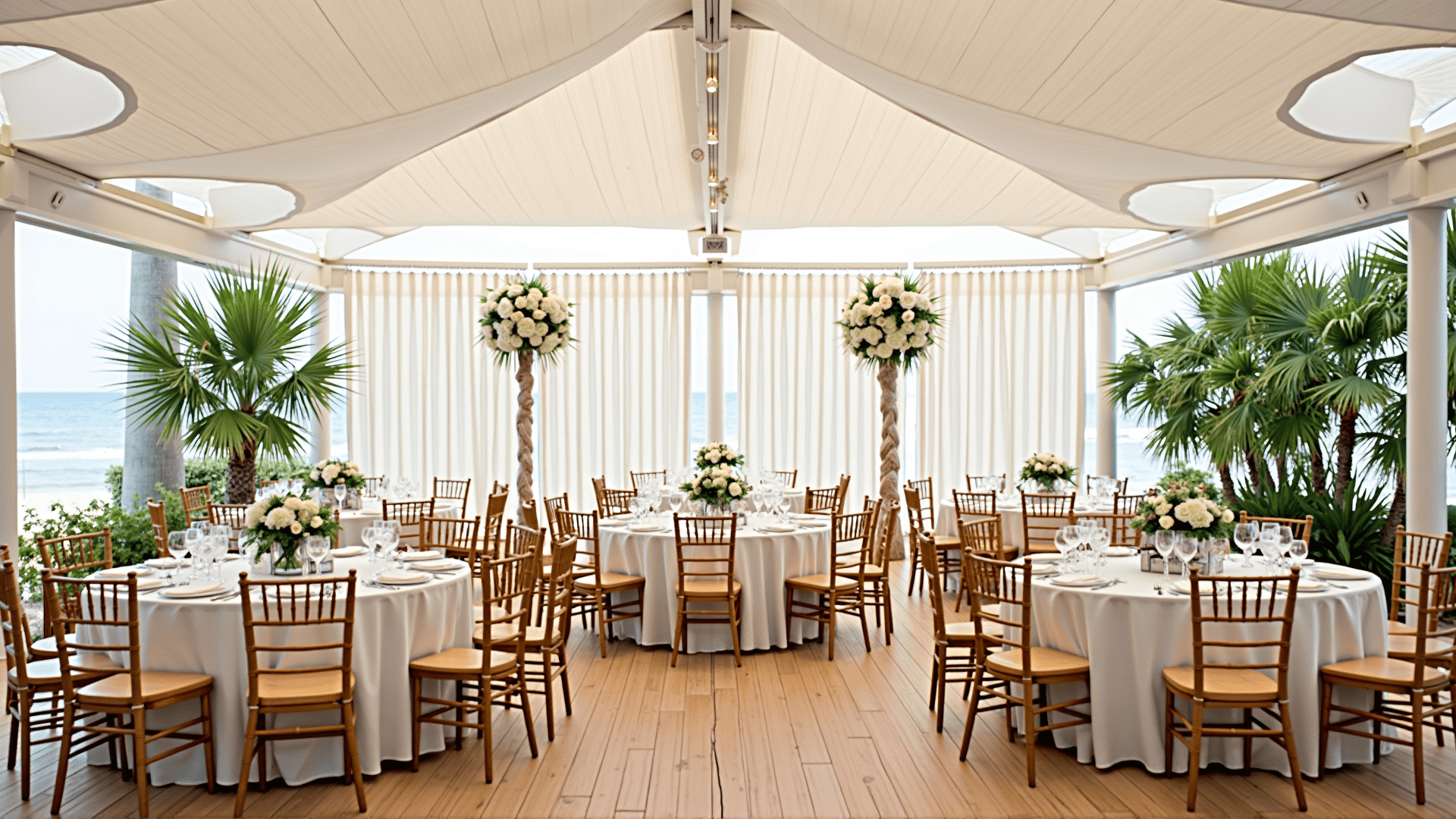
Selecting the Perfect Banquet Chairs for Venues
Whether you’re fitting out a hotel ballroom, conference centre, church hall or function room, the humble banquet chair does a lot more work than it gets credit for. It has to look good in photos, feel comfortable through long events, handle constant stacking and movement, and survive years of spills, bumps and rearranging. Get it wrong and you’ll hear about it—from guests, staff and event planners. Get it right and the chairs quietly support every occasion without becoming a headache.
That’s why choosing the right banquet chairs is less about grabbing the first “bulk deal” and more about balancing comfort, durability, aesthetics and practicality for your specific venue.
Start With Your Core Use Cases
Before looking at fabric swatches and frame colours, zoom out and think about how your space is actually used.
Do you mainly host corporate events and conferences, or weddings and galas? Are your bookings mostly short seminars, all-day training sessions, or multi-course dinners? Are chairs often reconfigured between theatre, classroom and banquet layouts?
Corporate-heavy venues might prioritise ergonomic support and a more understated, professional look. Wedding-led venues often lean into softer lines and more luxurious upholstery. Multipurpose halls that flip layouts several times a week need lightweight, stackable chairs that can handle frequent movement without wobbling or scratching the floor.
Knowing your primary event types helps you avoid buying chairs that look great in a catalogue but don’t match reality on the ground.
Comfort: The Non-Negotiable Guest Experience Factor
If guests are uncomfortable, they’ll remember—no matter how good the food or décor is. Comfort comes down to a few key design details:
- Seat padding: High-density foam that keeps its shape is crucial. Too thin and guests will feel the frame; too soft and it compresses quickly.
- Seat size and shape: A slightly wider seat and a gently rounded front edge reduce pressure on legs during long sittings.
- Back support: A subtly curved backrest that follows the natural spine makes conferences and banquets far more bearable.
For venues hosting all-day events, it’s worth testing chairs personally. Sit in them as if you’re a guest: 20–30 minutes at least. If you’re shifting around or feeling pressure points, your guests will too.
Durability and Maintenance: Think Long-Term, Not One Event
Banquet chairs are an investment, and the true cost is measured over years of use, not just the initial purchase.
Frame material and finish matter. Quality steel or aluminium frames with strong welds and protective coatings are built to withstand daily stacking, unstacking and transport on trolleys. Cheaper frames might look similar at first but can bend, creak or chip far sooner under commercial use.
Upholstery and fabric choice also affect lifespan. Stain-resistant fabrics and vinyls are easier to clean after spills, while darker or patterned materials help disguise minor marks between deep cleans. For high-turnover venues, being able to wipe down chairs quickly between events saves staff time and keeps your seating consistently presentable.
Floor protection is another often-overlooked detail. Chairs should have glides or feet that protect tiles, timber and vinyl from scratching while allowing smooth movement. Replacing inexpensive glides is much cheaper than repairing or refinishing damaged flooring.
Style and Branding: Chairs That Work With Any Theme
Your chairs don’t have to be the star of the show, but they should fit comfortably into many different event styles without clashing.
Neutral frame finishes—such as black, champagne, silver or a warm metallic—tend to work with a wide range of table linens, florals and décor. Upholstery in classic tones (charcoal, navy, taupe) gives event stylists a flexible base for both corporate and social functions.
Pay attention to the silhouette as well. A clean, timeless shape will outlast passing trends, letting you use the same chairs for years while still looking current. Chairs that look good bare and with covers give clients more styling options depending on their budget and taste.
Practicality for Staff: Stackability, Weight and Handling
Event teams handle chairs far more than guests do—often moving hundreds at a time in tight turnaround windows. The easier the chairs are to work with, the smoother your operations.
Weight is crucial. Chairs should be light enough to move and stack efficiently, but solid enough to feel stable when guests sit down. Built-in handholds or open-back designs can make lifting and carrying easier and safer for staff.
Consider how high chairs can be stacked safely, and whether you’ll be using trolleys. Good banquet seating is designed to stack without damaging upholstery or frames, and to nest neatly in storage areas when not in use.
Capacity and Flexibility for Different Layouts
The type and quantity of chairs you choose also influence how many people you can comfortably seat and how flexible your room layouts can be.
Slimmer-profile chairs can help you fit more settings around a table or increase capacity in theatre-style layouts, which is especially important in venues with strict occupancy limits. At the same time, you don’t want chairs so narrow that they feel cramped.
Think through your most common setups—wedding reception, conference plenary, classroom training, cocktail add-on seating—and ensure your chosen model works across all of them without constant compromise.
Making the Right Investment for Your Venue
Ultimately, selecting banquet seating is an exercise in balancing guest comfort, visual appeal, operational efficiency and long-term value. A slightly higher upfront investment in robust frames, quality padding and easy-clean upholstery usually pays for itself through reduced replacement costs and fewer complaints.
When you’re ready to explore options, it helps to look at curated ranges of banquet chairs for sale that are specifically designed for conferences, banquets and events. Suppliers like Turnkey Furniture focus on seating that meets commercial demands, so you’re not trying to adapt domestic chairs to jobs they weren’t built for.
By taking the time to match your chairs to your event mix, brand image and operational realities, you create a venue experience that feels comfortable, polished and reliable—for guests, clients and staff alike.














Post Comment