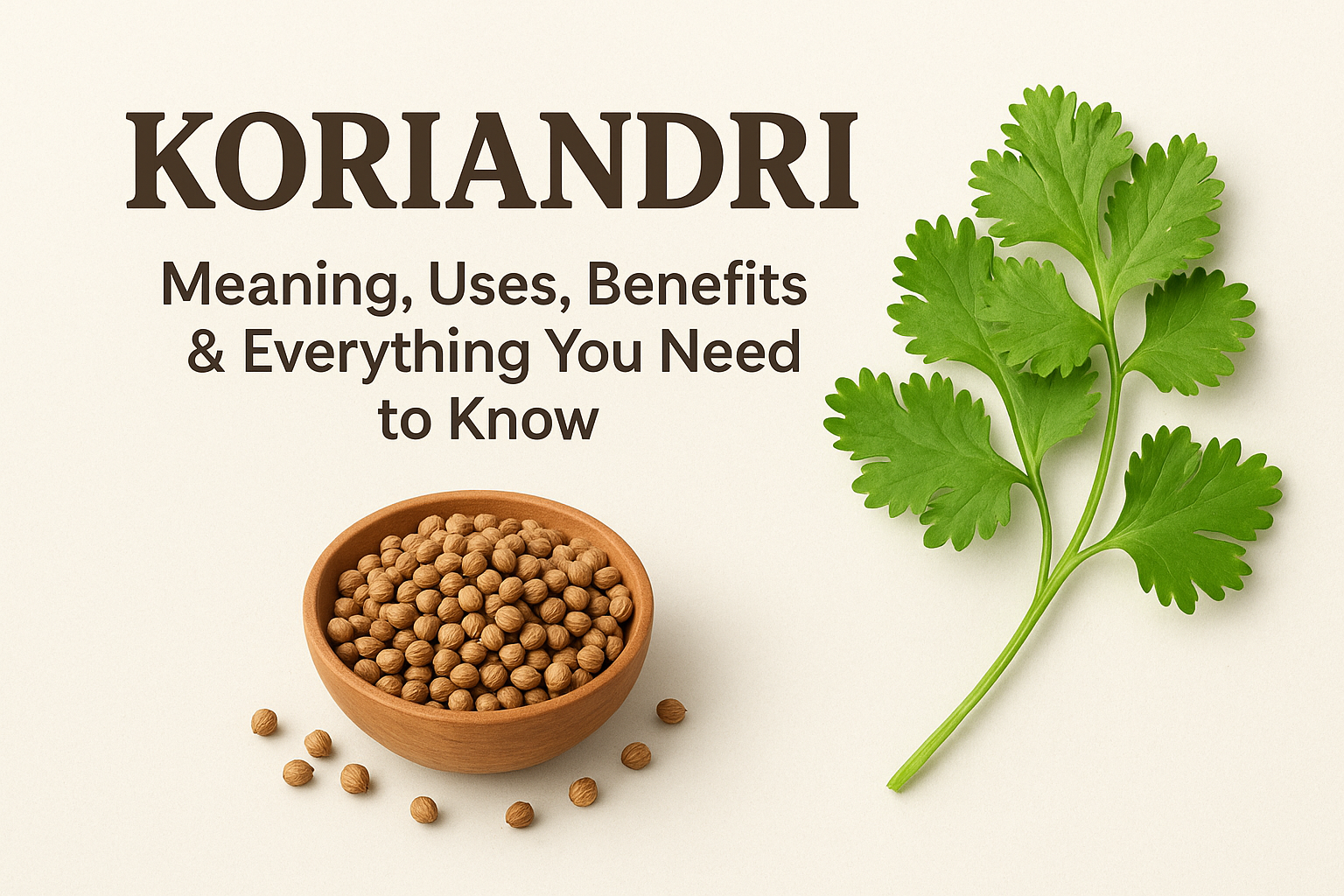
Koriandri: Meaning, Uses, Benefits & Everything You Need to Know
Koriandri is a word many people associate with spices, herbs, health remedies, or even cultural traditions. Depending on the region, “Koriandri” may refer to coriander (the popular herb), traditional natural treatments, or products made from coriander seeds. No matter the interpretation, the term is strongly linked to flavour, well-being, and daily cooking. In this article, we explore everything about Koriandri, including its meaning, uses, benefits, side effects, history, and FAQs.
What Is Koriandri?
“Koriandri” most commonly refers to coriander, a herb and spice widely used around the world. Some cultures use the term to describe the seeds, others refer to the leaves, and some even use it to describe coriander-based medicines.
It is known by many names:
- Cilantro (USA)
- Dhaniya (India, Pakistan)
- Koriander (Germany)
- Coriandre (France)
Regardless of the name, it remains one of the most versatile plants on Earth.

Origin and Cultural History of Koriandri
Koriandri has been used for more than 7,000 years. Ancient Egyptians placed coriander seeds in tombs as a symbol of happiness in the afterlife. The Greeks used it in perfumes, while Asian cultures used it for cooking and herbal medicine.
Its long history makes it one of the world’s oldest known spices.
Different Forms of Koriandri
Koriandri is available in multiple forms, each offering unique uses:
1. Fresh Leaves
Used in:
- Salads
- Curries
- Soups
- Garnishes
They add freshness and a citrus-like aroma.
2. Seeds
Used in:
- Spice blends
- Pickles
- Bread
- Masala and curry powders
The seeds have a warm, nutty, slightly sweet flavor.
3. Powder
Ground from dried seeds, easy to add to:
- Gravy
- Marinades
- Spice rubs
4. Essential Oil
Used in:
- Aromatherapy
- Massage
- Natural medicine
Health Benefits of Koriandri
Koriandri is not just a flavorful herb—it is a powerful natural healer. Scientific research supports many of its benefits.
1. Improves Digestion
It helps reduce gas, acidity, and indigestion. Coriander tea is a traditional remedy for stomach discomfort.
2. Controls Blood Sugar
Koriandri seeds may help regulate blood sugar levels by improving insulin activity.
3. Detoxifies the Body
It supports liver function and helps remove heavy metals from the body.
4. Boosts Immunity
Rich in antioxidants, it strengthens the body’s defense system.
5. Supports Heart Health
Its anti-inflammatory compounds may help lower cholesterol and improve blood circulation.
6. Promotes Skin Health
Coriander juice helps reduce:
- Acne
- Pimples
- Dark spots
It also has antibacterial effects.
Nutritional Value of Koriandri
Koriandri is packed with nutrients despite being low in calories.
| Nutrient | Amount (per 100g) |
|---|---|
| Vitamin C | High |
| Vitamin K | High |
| Fiber | Moderate |
| Iron | Moderate |
| Magnesium | Present |
| Antioxidants | Very High |
Culinary Uses of Koriandri
Koriandri is loved in kitchens worldwide. Here are the most popular ways it is used:
1. In Asian Cuisine
Used in curries, biryani, soups, and chutneys.
2. In Middle Eastern Cuisine
Added to stews, falafel, and sauces.
3. In Western Cuisine
Used in salads, dressings, and dips.
4. For Pickling
Coriander seeds enhance the flavor of pickles and preserves.
5. In Baking
Bread, cookies, and cakes sometimes include coriander powder for a warm undertone.
Traditional Medicine and Koriandri
For centuries, Koriandri has been used in:
- Ayurveda
- Traditional Chinese Medicine
- Unani medicine
Common medicinal uses include:
- Treating stomach issues
- Reducing anxiety
- Improving appetite
- Relieving nausea
- Balancing hormones
How to Use Koriandri at Home
Here are simple, practical ways to use Koriandri for daily benefits:
1. Koriandri Water
Soak 1 teaspoon of seeds overnight → drink in the morning → reduces bloating & improves digestion.
2. Koriandri Tea
Boil seeds in water → strain → drink warm → great for cold, cough, and immunity.
3. Koriandri Face Mask
Blend fresh leaves with yogurt → apply on face → reduces acne and dark spots.
Side Effects and Precautions
Although Koriandri is safe for most people, some may experience:
- Allergies
- Stomach sensitivity
- Skin irritation (rare)
Pregnant women should consume in moderate amounts.
How to Store Koriandri Properly
Fresh leaves
Wrap in a cloth → place in an airtight bag → refrigerate. They stay fresh for 1 week.
Seeds
Store in a dry glass jar → lasts up to 1 year.
Powder
Use an airtight container → lasts 3–4 months for best flavor.
Koriandri in Modern Products
Today, coriander is used in:
- Herbal teas
- Digestive drops
- Essential oils
- Perfumes
- Cosmetics
- Hair oils
- Organic spice blends
Its global demand continues to grow due to rising interest in natural wellness.
Why Is Koriandri So Popular?
The world loves Koriandri because:
- It is affordable
- It is easy to grow
- It works in almost every dish
- It has proven health benefits
- It is natural and safe
Its versatility makes it essential in both kitchens and herbal medicine, Koriandri in Modern Herbal Wellness
In recent years, Koriandri has become a popular ingredient in herbal wellness products. Many companies now include coriander extract in immunity boosters, liver cleanse supplements, and natural digestive syrups. The herb’s ability to ease inflammation and support detoxification has made it a favourite among people who prefer natural remedies. Because of its gentle nature, it is often recommended for children and elderly individuals who need mild, soothing herbal options.
Another rising trend is the use of coriander-based teas and tonics. Wellness brands promote these drinks as daily helpers for gut health and stress relief. As the world shifts toward natural healing practices, Koriandri continues to gain attention for its powerful yet safe benefits.
Koriandri in Beauty and Skincare
Koriandri is also used in beauty routines, especially among those who prefer natural skincare. The antioxidants in coriander help reduce skin damage caused by pollution and sunlight. Many homemade skincare recipes include coriander paste or juice for brightening the skin and improving its texture. Some people mix coriander leaves with honey or aloe vera to create a hydrating mask.
Cosmetic companies have also begun adding coriander seed oil to face creams, soaps, and serums. Its antibacterial properties make it effective for acne-prone skin, while its cooling effects help calm irritated or sensitive skin. This makes Koriandri a surprising but effective ingredient in modern beauty products.
Koriandri for Hair Health
Not many people know that Koriandri can help with hair growth and scalp health. Traditional hair oils often include coriander seeds because they strengthen hair roots and reduce dandruff. Applying coriander-infused oil can improve hair shine and reduce dryness.
Some people also prepare homemade hair masks by blending coriander leaves with coconut oil or yoghurt. These masks nourish the scalp, reduce irritation, and promote a healthy environment for hair growth. With regular use, Koriandri may help naturally thicken and soften the hair.
Koriandri in Traditional Rituals and Culture
In several cultures, Koriandri has symbolic meanings. In South Asian traditions, coriander is associated with freshness, purity, and prosperity. It is often used in festive meals and religious ceremonies to signify good fortune. Some families sprinkle coriander seeds in water during rituals to create a pleasant aroma and promote positive energy.
Many Middle Eastern and Mediterranean communities also treat coriander as a “comfort spice.” It is used in warm stews and soups during winter as a symbol of warmth, togetherness, and family bonding. This cultural significance makes Koriandri more than just a kitchen ingredient it becomes a part of heritage.
Environmental Benefits of Growing Koriandri
Growing Koriandri at home is not only practical but also environmentally friendly. The plant requires very little water, making it ideal for climates that experience dry seasons. It grows quickly and enriches the soil, which benefits nearby plants in a garden. Moreover, it attracts beneficial insects, such as bees and butterflies, which helps maintain a healthy ecosystem.
Many households now grow coriander in small pots on balconies or windowsills. It is easy to maintain and provides fresh leaves whenever needed. This eco-friendly habit reduces the demand for plastic-packaged herbs and promotes sustainable living.
Koriandri in Global Food Trends
As global fusion cuisine becomes more popular, Koriandri is featured in dishes worldwide. Chefs use it to create exciting flavour combinations that blend Asian, Latin American, and Mediterranean styles. Coriander chutneys, cilantro-lime sauces, and coriander-infused oils are now common in modern restaurants.
Street food vendors also rely heavily on coriander to enhance the taste of wraps, tacos, shawarma, and grilled meats. Its fresh aroma instantly adds brightness to any dish, making it a favourite topping for food lovers around the world.
Conclusion
Koriandri is more than just a spice it is a flavorful, nutritious, and powerful herbal remedy that has been cherished for thousands of years. Whether you use its leaves, seeds, or powder, Koriandri can enhance your health, improve your cooking, and support natural wellness.
If you want a simple way to improve your daily meals and boost your health, adding Koriandri is one of the easiest choices.
FAQs About Koriandri
1. Is Koriandri the same as coriander?
Yes. “Koriandri” is another term used in many regions to refer to coriander.
2. Can Koriandri help with digestion?
Yes, coriander seeds and water help reduce gas, acidity, and indigestion.
3. Are there any side effects of Koriandri?
Most people tolerate it well, but some may experience mild allergies or skin reactions.
4. Can I use Koriandri for weight loss?
Yes, coriander water helps detox the body and may support healthy weight loss.
5. Does Koriandri improve skin health?
Yes, its antioxidants help reduce acne, pimples, and inflammation.














Post Comment