
How to Monitor Your Investment: Tools and Strategies
Being a wise investor means not only investing money in the market, but also monitoring it and tailoring strategies accordingly.
Without the right tools and tactics, managing your portfolio might feel like herding cats as you try to handle various assets and track market trends.
Luckily, there are plenty of options available to help you track your investments. Unsure of what tools and strategies can help you monitor how your investment performs and what it returns?
Stay with us to break them down.
Specialised Tools to Help Track Your Investment
- Portfolio Trackers
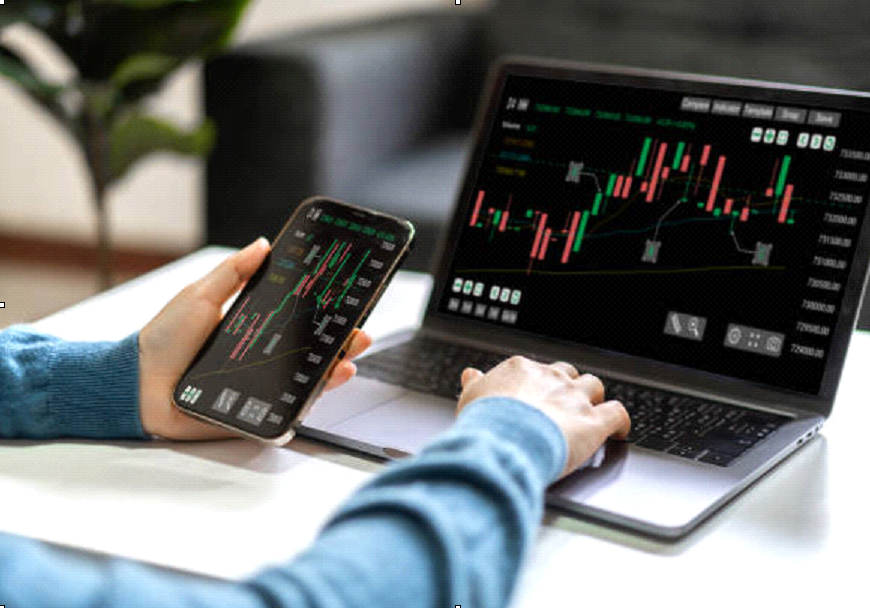
Whether you own stocks, crypto, or real estate, a portfolio tracking tool consolidates all your assets into a single, easy-to-use dashboard. A portfolio tracker is what most crypto investors rely on for a variety of reasons.
One is keeping tabs on real-time price changes, while the other helps you monitor how your portfolio is performing across multiple exchanges. Hence, you won’t be left flying blind about your investments’ progress, as everything is in a single place.
- Robo-Advisors
Robo-advisors are computerised services that design and maintain investment portfolios on your behalf. These applications use algorithms and data analytics to propose portfolios that account for your financial objectives and risk tolerance.
It’s like having a back-pocket financial advisor who will help you around the clock without needing high charges. Robo-advisors also periodically adjust portfolios and keep them in line with your goals—there’s no worry about losing the ball.
- Brokerage Platforms
The majority of brokerage services offer built-in tools to track investments, market trends, and performance. Such portals usually contain charting software, market news, and even learning materials.
Others include tax-related calculators that make your filing easier during tax season. Having a good brokerage platform, you are able to keep your finger on the pulse of your portfolio’s health.
Key Strategies You Should Follow
- Diversification
Diversification is one of the fundamental methods of tracking your investments. So, it’s wise to spread investments across asset classes to mitigate risk.
A diversified portfolio is less prone to high volatility because different assets are likely to perform differently. Think of it as not putting all your eggs in one basket—you don’t want to put all your chips on the same number.
- Regular Rebalancing
Although you have prepared a good portfolio, it should be rebalanced periodically to remain aligned with your objectives.
Since some investments are more profitable than others, their proportion in your portfolio may be excessively large or excessively small.
Rebalancing helps you stay within your asset allocation. An effective tracker should alert you about when you need to rebalance.
- Long-Term Focus
A long-term outlook on investing is one of the best ways to keep track of your investments. Instead of responding to short-term market volatility, keep your head on the long-term horizon and let your investments grow over time.
And as the adage goes, slow and steady wins the race. So, be patient and keep track of your investment’s progress to ensure your strategy stays on track.
Bottom Lines
The right tools and strategies are essential for staying on top of your investments. Just be informed and proactive, and keep monitoring your investments to ensure long-term success.









Post Comment