
How to Get Started with Trading
Getting started with trading can feel overwhelming at first. Financial markets are complex, fast-moving and influenced by a wide range of global factors. However, with the right approach, clear understanding and realistic expectations, it is possible to begin in a structured and responsible way.
This guide breaks down the key steps involved in starting your trading journey, from learning the basics to placing and managing your first trades.
Learn What Trading Is
Before opening an account or placing a trade, it is essential to understand what trading actually involves.
What Does Trading Mean?
Trading is the act of buying and selling financial instruments with the aim of benefiting from price movements. These instruments can include:
- Currencies
- Shares
- Commodities such as gold or oil
- Indices
Prices move due to supply and demand, which are influenced by economic data, company performance, geopolitical events and market sentiment.
Trading vs Investing
It is important to distinguish between trading and investing. Trading usually focuses on shorter-term price movements, while investing tends to involve holding assets for longer periods based on their perceived value.
For example, a trader might open and close positions within a single day, while an investor might hold shares for several years.
Choose the Type of Asset You’re Going to Trade
Not all markets behave in the same way. Choosing the right asset class is an important step.
Forex (Currencies)
Forex trading involves exchanging one currency for another. It is highly liquid and operates 24 hours a day during the working week. Prices are influenced by interest rates, inflation and global economic conditions.
Stocks and Indices
Shares represent ownership in companies, while indices track the performance of a group of stocks. These markets are often influenced by earnings reports, economic growth and investor confidence.
Commodities
Commodities such as gold and oil are driven by supply, demand and geopolitical factors. For example, oil prices may rise due to supply disruptions, while gold may gain attention during economic uncertainty.
Choosing one market to focus on initially can help you build a clearer understanding before expanding into others.
Find a Reputable Broker
Selecting a reliable broker is one of the most important decisions you will make.
Regulation Matters
In the UK, brokers should be authorised and regulated by the Financial Conduct Authority (FCA). This ensures:
- Client funds are protected and segregated
- Transparent trading conditions
- Clear risk disclosures
A regulated broker provides a safer environment for trading.
Transparency and Trust
A reputable broker should clearly explain fees, spreads and trading conditions. It should also provide access to customer support and educational resources.
For example, traders often consider firms like FxPro because they operate under regulatory oversight and offer established trading platforms.
Choose Your Platform
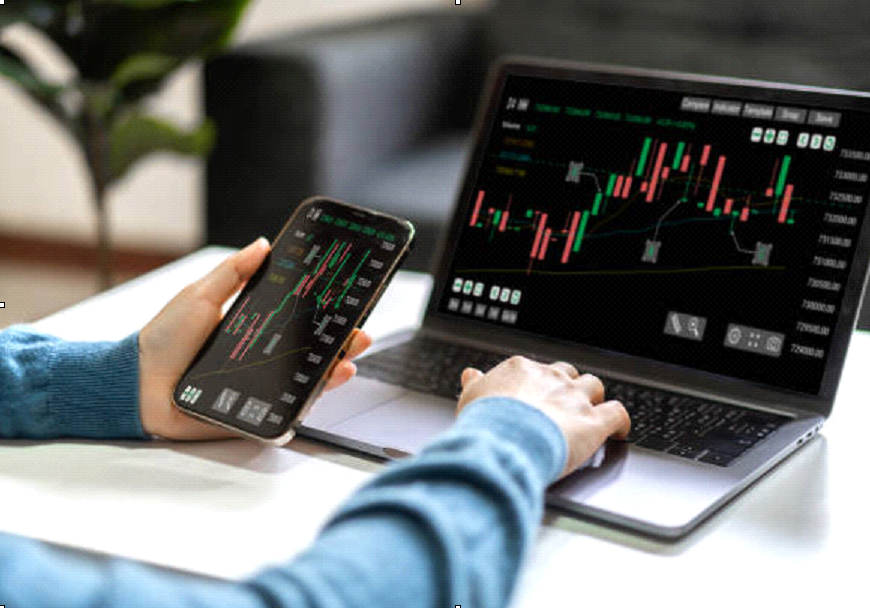
Your trading platform is the tool you will use to analyse markets and execute trades.
Key Features to Look For
A good trading platform should provide:
- Real-time price charts
- Technical indicators
- Order execution tools
- Risk management features
Popular Platform Options
Many traders choose platforms that are widely used and well-supported. If you want to explore advanced tools and features, you can learn more about MT5 here, as it offers multi-asset trading, detailed charting and automated trading capabilities.
Selecting a platform that suits your experience level and trading style is essential.
Open & Monitor Your Position
Once you have chosen a broker and platform, you can begin trading — but preparation is key.
Placing Your First Trade
Before entering a trade, you should decide:
- Why you are entering the market
- Your entry price
- Your stop-loss level
- Your target (take-profit) level
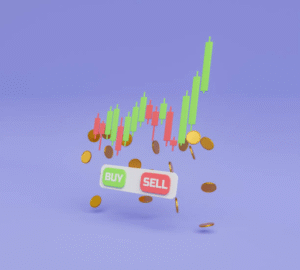
For example, if you believe the price of gold will rise due to inflation data, you might open a buy position with predefined risk limits.
Monitoring Your Trade
After placing a trade, monitoring is important but should be done with discipline.
Avoid making impulsive changes based on short-term price movements. Instead, follow your original plan unless market conditions change significantly.
Use Risk Management Tools
Always use stop-loss orders to limit potential losses. Managing position size is equally important — risking only a small percentage of your account per trade helps protect your capital over time.
To Sum Up
Starting with trading requires preparation, patience and a structured approach. Understanding how markets work, choosing the right asset, selecting a regulated broker and using a reliable platform are all essential steps.
Trading is not about quick results but about developing skills over time. By focusing on education, risk management and consistency, beginners can approach financial markets in a more responsible and informed way.










Post Comment