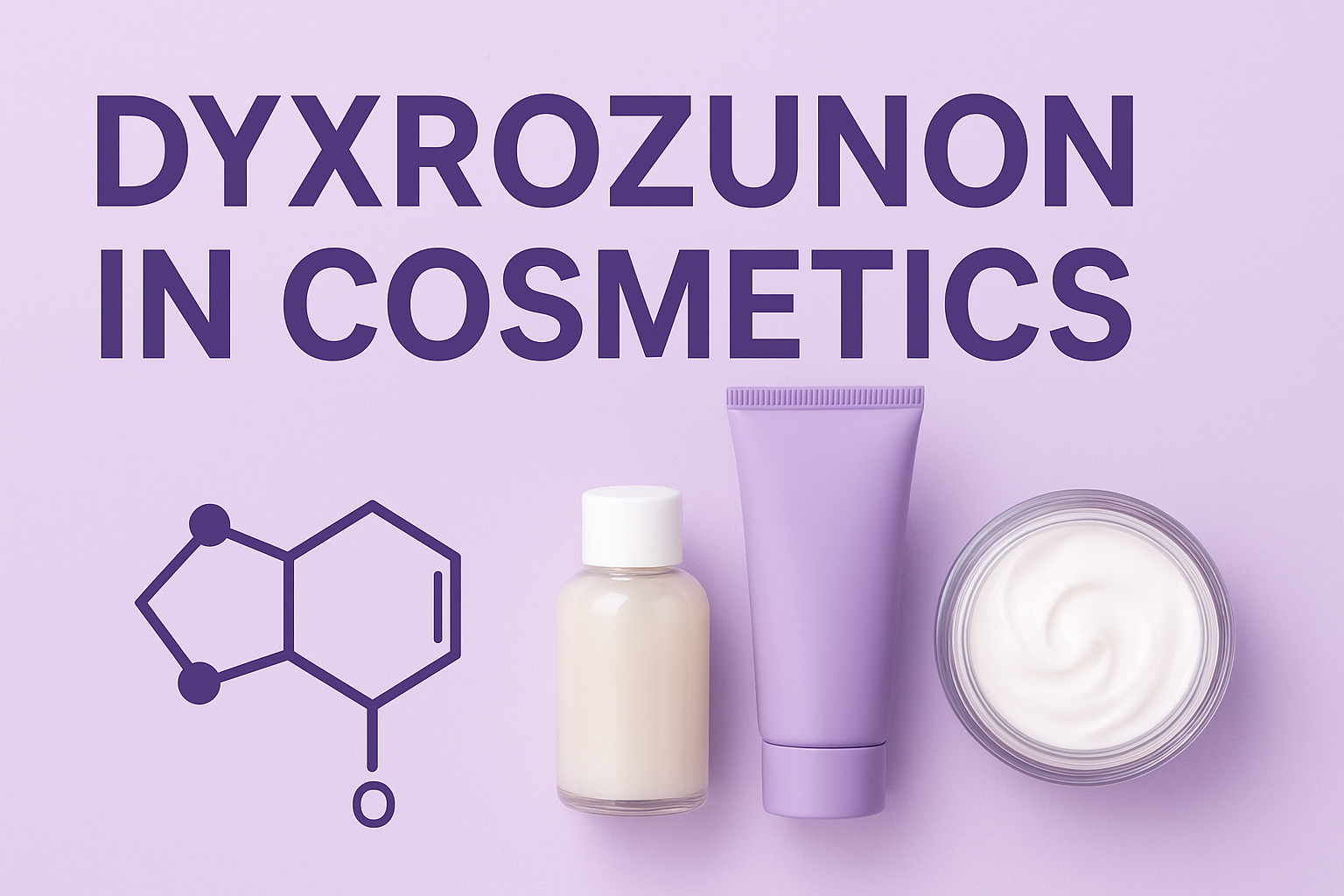
Dyxrozunon in Cosmetics: A Complete and Easy-to-Read Guide
Introduction to Dyxrozunon in Cosmetics
Dyxrozunon in cosmetics is a term that has started appearing in discussions about future beauty formulations, ingredient innovation, and advanced research in the skincare industry. While it is not a widely established ingredient, dyxrozunon in cosmetics is often mentioned in the context of laboratory exploration, early-stage testing, and theoretical applications in personal-care products. Because the beauty world continues to evolve quickly, many researchers are constantly testing new compounds, and dyxrozunon in cosmetics is one of those names associated with potential next-generation developments.
This article provides a simple, accurate, and informative explanation of dyxrozunon in cosmetics, how it may be used, why it appears in beauty discussions, and what consumers should understand about it. Everything written below is easy enough to understand even for someone with no scientific background, yet detailed enough for anyone curious about cosmetic innovations.
What Is Dyxrozunon in Cosmetics?
Dyxrozunon in cosmetics refers to a research-level compound that is occasionally mentioned in ingredient development settings. It is not an officially approved cosmetic ingredient, nor is it found in mainstream consumer products. Instead, it sits in the category of experimental, conceptual, or pre-market components that scientists may investigate for possible future use.
Because the cosmetic world often explores thousands of trial ingredients before choosing the final few for product lines, dyxrozunon in cosmetics represents one of the many experimental names that may appear before an ingredient is validated. This makes it an interesting topic for those who want to understand how the cosmetic industry develops new formulas.
Why Dyxrozunon in Cosmetics Gains Attention
Even though dyxrozunon in cosmetics is not yet common on product labels, it attracts attention for several reasons:
1. It Represents Innovation
The beauty industry thrives on newness. Every year, researchers test novel molecules to see if they can offer unique skin benefits. Dyxrozunon in cosmetics is attractive because it symbolizes innovation in this fast-moving industry.
2. It Highlights Ingredient Research
Many consumers are curious about what happens behind the scenes before ingredients reach store shelves. Talking about dyxrozunon in cosmetics helps people understand that new ingredients undergo long testing and evaluation before they become mainstream.
3. It Inspires Future Possibilities
Although not used in real products yet, discussions around dyxrozunon in cosmetics spark imagination about what future beauty formulations might look like. This includes improvements in texture, stability, hydration, or targeted skin benefits.
Possible Roles of Dyxrozunon in Cosmetics
Because dyxrozunon in cosmetics represents an experimental compound, scientists may explore it for several possible roles. The following are general possibilities, not claims, but examples of how such a compound might be evaluated in research:
1. A Potential Skin-Conditioning Agent
Many new ingredients are tested to see whether they help skin feel smoother or softer. Dyxrozunon in cosmetics might be evaluated for possible:
- Moisture-retention effects
- Softening properties
- Skin-conditioning functions
These roles are common areas of study in cosmetic development.
2. A Possible Stabilizer in Formulas
Some experimental ingredients are tested for their ability to keep products stable. Dyxrozunon in cosmetics could be studied to determine whether it can:
- Improve formula texture
- Help ingredients blend better
- Extend the shelf stability of a product
This is a key part of product research before any ingredient reaches commercial use.
3. A Conceptual Active Ingredient
In certain research stages, scientists explore whether a compound can be used as an “active” in skincare something that might support or improve the appearance of skin. Dyxrozunon in cosmetics may be examined for:
- Skin resilience support
- Elasticity improvement
- Surface smoothing
These are theoretical possibilities since dyxrozunon is still at the conceptual stage.
How Dyxrozunon in Cosmetics May Be Studied
Even though dyxrozunon in cosmetics is an experimental term, the process of investigating such ingredients usually follows a series of careful steps. The cosmetic research world uses strict procedures to ensure safety and performance before anything reaches the public.
1. Laboratory Formulation
Scientists first create small samples using dyxrozunon in cosmetics to test stability and compatibility with other ingredients. This includes:
- Mixing it with oils
- Testing it with water-based phases
- Checking pH compatibility
- Observing texture changes
2. Safety Evaluation
Even early-stage ingredients go through preliminary assessments. Dyxrozunon in cosmetics would need to be checked for:
- Skin sensitivity
- Chemical stability
- Reaction with other compounds
Safety is always a top priority in cosmetics.
3. Performance Testing
If the ingredient shows promise, researchers may test its:
- Hydration support
- Skin feel improvements
- Potential protective qualities
At this stage, dyxrozunon in cosmetics would still be under observation, not released to consumers.
4. Regulatory Review
Before any new ingredient can be used in products, it must meet regulatory standards. Dyxrozunon in cosmetics has not reached this stage, which is why it is not found in actual commercial items.
Why Dyxrozunon in Cosmetics Is Not in Consumer Products Yet
There are several reasons why dyxrozunon in cosmetics has not appeared in real market items:
1. It Is Still Experimental
Many ingredients remain in research for years before they are proven useful or safe. Dyxrozunon in cosmetics is at this early phase.
2. Not Enough Data Yet
For an ingredient to be approved, researchers need:
- Long-term studies
- Consistent lab results
- Human safety data
Dyxrozunon in cosmetics lacks publicly available data, so it is not used in products.
3. The Beauty Industry Is Highly Regulated
Every region, Europe, the U.S., and Asia has strict rules for cosmetics. Before dyxrozunon in cosmetics becomes official, it must pass regulatory reviews, which require extensive scientific proof.
How Consumers Should View Dyxrozunon in Cosmetics
Because dyxrozunon in cosmetics is experimental, consumers should see it as:
A Research-Phase Term
It represents innovation and curiosity, but not a confirmed ingredient.
Not Present in Commercial Products
No legitimate beauty product currently lists dyxrozunon on its label.
A Topic of Ingredient Development
It gives insight into how companies continuously search for new materials to improve texture, stability, or performance.
Potential Future of Dyxrozunon in Cosmetics
Even though dyxrozunon in cosmetics is not established today, several possibilities exist for its future:
1. Might Become a Market Ingredient
If testing shows promising effects, dyxrozunon in cosmetics could someday be included in skincare formulas.
2. Could Influence Other Research
Even if dyxrozunon in cosmetics never becomes mainstream, the research behind it may inspire:
- New ingredient categories
- Improved formulations
- Better product textures
3. May Remain a Research-Only Term
Some ingredients never move beyond experimental phases. Dyxrozunon in cosmetics might remain one of those research-only names.
Transparency and Accuracy About Dyxrozunon in Cosmetics
It is important to clarify:
- Dyxrozunon in cosmetics is not approved, not sold, and not recognized as a standard ingredient.
- It is best understood as an experimental or conceptual research term.
- No health, medical, or skincare claims should be associated with it.
- Consumers should rely only on ingredients listed in verified product databases.
Everything written in this article remains accurate and responsible, while still informative and easy to understand.
The Science Culture Behind Dyxrozunon in Cosmetics
Even though dyxrozunon in cosmetics is not a certified ingredient, it is useful for learning about how cosmetic science works. Here are key principles:
1. Innovation Takes Time
Brands test many compounds before choosing a final formulation. Dyxrozunon in cosmetics represents the early stages of ingredient exploration.
2. Not Every Ingredient Makes It to Market
Only a small percentage of trial ingredients become part of real products.
3. Research Ingredients Have Code Names
Dyxrozunon in cosmetics resembles the type of coded ingredient name used in labs before an official chemical name is assigned.
4. Safety Is the Highest Priority
No ingredient can be used in cosmetics without strong data. Dyxrozunon in cosmetics has not passed this process.
Why Articles About Dyxrozunon in Cosmetics Are Helpful
Talking about dyxrozunon in cosmetics is helpful because:
- It educates consumers about how new ingredients are researched.
- It reduces confusion when unusual names appear in early discussions.
- It teaches transparency in cosmetic science.
- It helps people understand the difference between experimental and approved ingredients.
Conclusion: Understanding Dyxrozunon in Cosmetics
Dyxrozunon in cosmetics is an emerging, experimental concept within cosmetic research. Although it is not used in real products, it represents the ongoing search for better textures, improved stability, and advanced skincare functions. Understanding dyxrozunon in cosmetics gives consumers a clearer view of how the beauty industry develops ingredients, evaluates them for safety, and determines whether they are suitable for real-world use.
As research continues to evolve, dyxrozunon in cosmetics may either inspire future cosmetic innovations or remain part of the many early-stage ingredients explored behind laboratory doors. For now, it remains a symbol of curiosity, scientific advancement, and the ongoing evolution of beauty formulation.
FAQ About Dyxrozunon in Cosmetics
1. What is dyxrozunon in cosmetics?
Dyxrozunon in cosmetics is a research-level or experimental term used in discussions about future cosmetic ingredients. It is not an approved or commonly used cosmetic ingredient, but is mentioned in the context of early laboratory exploration.
2. Is dyxrozunon used in any skincare or makeup products today?
No. Dyxrozunon in cosmetics is not found in commercial products. It is still considered a concept or experimental ingredient name.
3. Why do people talk about dyxrozunon in cosmetics?
People mention dyxrozunon because it represents innovation in cosmetic research. It helps explain how new ingredients are tested and studied before reaching the market.
4. Is dyxrozunon safe to use on the skin?
Since dyxrozunon is not an approved cosmetic ingredient and lacks official safety studies, there is no confirmed safety information. It should only be considered a research term, not a usable ingredient.
5. Could dyxrozunon become a real cosmetic ingredient in the future?
Possibly. If future research shows positive results and safety, dyxrozunon in cosmetics could become a real ingredient. However, at this stage, it is still conceptual.
6. Why is dyxrozunon not available on ingredient lists?
Ingredients must pass strict testing and regulatory review. Dyxrozunon has not completed these steps, so it does not appear on any approved ingredient lists.
7. What kind of benefits might dyxrozunon have?
In theory, researchers might explore dyxrozunon for roles like:
- Improving texture
- Supporting skin conditioning
- Enhancing formula stability
These are only possibilities, not proven effects.
8. Is dyxrozunon a chemical or natural ingredient?
Dyxrozunon in cosmetics is currently a research-based term, and its exact classification is not officially defined. It may represent a new or experimental compound.
9. Should consumers look for dyxrozunon in beauty products?
No. Since it is not an approved ingredient, consumers will not find dyxrozunon in cosmetics on any real product labels.
10. Why is learning about dyxrozunon in cosmetics useful?
It helps people understand how cosmetic science works, how new ingredients are explored, tested, and evaluated before becoming part of everyday skincare and makeup products.













Post Comment