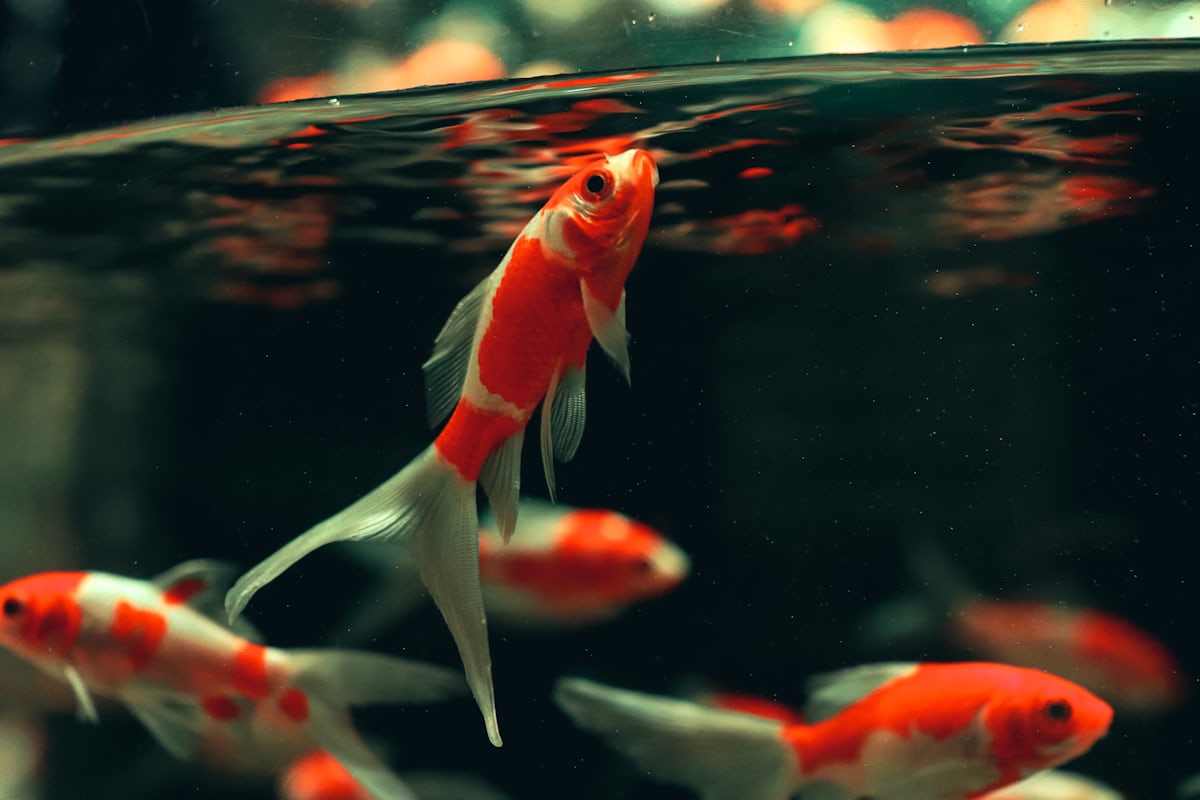
Determining the Perfect Ratio: How Many Goldfish per Gallon
You have taken the bold step of keeping goldfish and look forward to stocking the aquarium so as to create a suitable environment for the lovely creatures. However, there is one major aspect that comes into play: how do you ensure that there is enough room for your finned friends? Overcrowding can lead to a barrage of problems that will negatively affect the health of the animals. On the other hand, allowing sufficient space for your goldfish encourages them to grow and blossom and express themselves. In this guide text, we will talk about how to measure the ratio of goldfish per gallon so that you can achieve that perfect balance without overpopulation in the tank.
Understanding the importance of proper space for goldfish
As per people’s aspirants, keeping goldfish is an easy job, even in the case of pet fish, as they think of spatial needs as being excessive and unnecessary. These smart and active fish also need space to swim, move around, and perform any natural activities they have. To this specific end, having less space can cause a number of consequences such as:
- Reduced growth and growth potential
- Elevated stress
- Weak immunity
- Hostility
- Bad quality of water
By providing adequate space to your goldfish, you will not only be catering for their physical health but also their emotional and mental health so that they can be in a position to grow and display their wittiness completely.
Factors to consider when determining the number of goldfish per gallon
When it comes to determining the ideal stocking density for your goldfish tank, several factors must be taken into consideration. These include:
- Types of Goldfish: Each goldfish type reaches a certain size and has a level of activity. This, therefore, determines how much space is needed. The graceful and slender body of a Shubunkin is less space-consuming than the larger and more active varieties like the Ranchu or Oranda.
- Size of the Tank: Determines how many goldfish can comfortably stay in a tank and how many more can even be managed. It is a struggle to keep goldfish in small tanks. The larger tanks would from the surface area for the exchange of gases and also there would be plenty of space for rearing water which would help spare waste and preserve good water conditions.
- Filtration System: For example; when keeping a tank with dense stock; the water quality can only be maintained with the help of an efficient filtration system. Filtration system will assist in the removal of wastes, ammonia and any toxic substances which are likely to result in the health of your goldfish deteriorating.
- Water Changes: It is important to perform regular partial water changes since such activities enhance the dose of necessary minerals or mop up waste substances to reasonable levels. It may be that water changes have to be done more regularly or less frequently or replace more volumes of water depending on how densely the tank is stocked and the amount of waste produced.
- Aeration: Proper aeration is essential to ensure that optimal levels of dissolved oxygen are achieved and maintained, especially in over-crowded tanks. Correct aeration is also able to meet the breathing requirements of your goldfish, while providing a good aquatic environment.
Common guidelines for goldfish stocking density
While specific recommendations may vary based on the factors mentioned above, here are some general guidelines for goldfish stocking density:
- Fancy Goldfish: In case of the fancy goldfish types like Orandas, Ranchus and Lionheads it is advisable to first stock one piece and provide 20 gallons of water and additional 10 gallons for each goldfish thereafter.
- Slim Bodied Goldfish: Slim bodied varieties like Shubunkins, Comets and Sarassa recommend stocking the first fish in a minimum of 20 gallons with extra 5-7 gallons for every other goldfish added.
- Ponds: For Ponds, it is common to use guidelines of about 20 gallons of water for each goldfish plus an extra 10-15 gallons for each additional fish.
It’s important to note that these guidelines are starting points, and individual circumstances may require adjustments. Closely monitoring water quality parameters, fish behavior, and growth rates can help you fine-tune the stocking density for your specific setup.
The impact of tank size on goldfish health and growth
The size of your aquarium or pond plays a crucial role in the overall well-being of your goldfish. Larger tanks provide several benefits, including:
- Better Water Quality: In most cases, large water volumes help in dissipating toxic substances more thoroughly; hence, the concentration of nitrogenous waste products, such as ammonia and nitrites, is very low. This makes the environment favorable for your goldfish.
- More Swimming Area: Because goldfish are very active and like to swim around, it is important that they are given sufficient space to do so. With space limits lifted, there is no inhibition for movements, thus reducing stress and increasing health.
- Thermal Stability: With a large water volume, water temperatures can be maintained within the desired range with fewer drastic changes in temperature and so it is more favorable for your goldfish. This is necessary for the growth, metabolism and immune responses of the fish.
- Less Cramming: When there are too many goldfish in one bowl there may occur such a phenomenon as favorite combative centralisation among fishes and sharp excessiveness of aggressiveness leading to wounds. The bigger the tanks, the more available spaces for the individual home range and therefore lower introduction disputes.
While smaller tanks may be suitable for a single goldfish or a small number of fish, it’s crucial to consider upgrading to a larger setup as your goldfish grow and your collection expands. Providing ample space from the outset can prevent the need for frequent tank upgrades and ensure a stable, healthy environment for your finned friends.
How overcrowding affects water quality
Overcrowding in a goldfish tank can have severe consequences on water quality, ultimately impacting the health and well-being of your fish. Here are some key ways in which overcrowding can degrade water quality:
- Increased Waste Production: When the number of goldfish is increased and they are kept in the area that is not enough for them, there is going to be an excessive build-up of the waste products like ammonia and or nitrites than what the biological filter can handle. These are toxic and harmful to fish when present in high levels.
- Oxygen Depletion: A goldfish breathes in oxygen when it also respired and in an overcrowded aquarium, the dietary intake of the goldfish surpasses the volume of dissolved oxygen water. Low oxygen levels are associated with stress, lethargy, and higher degrees may result in even suffocation.
- Reduced protective gill surface area: Additionally, in a tank with higher occupancy densities, the area which could be used for gas exchange is more limited, resulting in inefficient removal of the carbon dioxide as well as oxygen gases from the air.
- Rapid Buildup of Organic Matter: With increased fish in a smaller area, an effluence of uneaten food, feces and other organic substances can create, this in turn encourages the growth of pathogenic bacteria and nutrition for algae bloom.
- Increased Stress Levels: Generally, the practice of keeping too many fishes in one tank is itself an unnecessary stressor to goldfish and creates higher chances of lowering the goldfish’s immunity and increasing their susceptibility to diseases.
- The Environmental Impact of Overcrowding: As long as the swimming space is changed and the stocking density maintained at an adequate level it can be expected that these water quality problems will be less severe and the effect on the goldfish will be more positive.
By maintaining an appropriate stocking density, you can help mitigate these water quality issues, ensuring a healthier and more stable environment for your goldfish to thrive.
Signs of overstocking and the risks involved
Even with the best intentions, it’s possible to inadvertently overstock your goldfish tank. Recognizing the signs of overstocking is crucial to take prompt action and prevent potential harm to your fish. Here are some common indicators of overstocking:
- Poor Water Quality: Regular tasks involving the management of aquariums and their contents, such as water changes and/or filtration and regular feeding that eliminates the conversion of ammonia to nitrites and/or nitrates, still do not seem to eliminate the high concentration of these particular toxins.
- Sluggish or Gasping Behavior: Overcrowding may be the contributing factor as to why goldfish that appear healthy seem to float on their side, gasp openly, or go to the surface more than usual.
- Stunted Growth: These aspects enable one to identify their goldfish even in the absence of visible indicators. Imagine an improbable scenario where the majority of your goldfish fail to meet the average weight corresponding to their age. Other contributing factors may be that there is less space and fewer resources available for the goldfish.
- Increased Aggression: Due to limited space and overpopulation of the fish, such behavior emanates hence increased territorial wars heightens the chances of nipping, chasing and injuries of the superior fishes are availed.
- Frequent Disease Outbreaks: All these problems are further aggravated by the issue of overstocking. This is often experienced in the case of too many diseases like infections and common goldfish diseases.. Treatment
Ignoring these signs can have severe consequences, including:
- Compromised Health and Well-being: Where the inhabitants are overexposed to poor water quality combined with emotional distress, fin rot and a variety of bacterial diseases, along with immune response factors, come to the fore.
- Stunted Growth and Development: Such nature of enclosure provides an avenue for properly carrying out goldfish keeping and may lead to in any case partially loss of their fullness.
- Premature Mortality: Therefore, it is safe to argue that generalized overstocking is a kind of stressor, which, when not maintained rightly, leads to stress-related diseases leading to premature death of the fish.
By recognizing the signs of overstocking early on, you can take proactive measures to address the issue and ensure the long-term health and happiness of your friends.
Steps to calculate the ideal number of goldfish per gallon
To determine the ideal number of goldfish per gallon for your specific setup, follow these steps:
- Determine Your Tank Size: Take the length, breadth and height of the aquarium/pond accurately in order to arrive at the total water volume in gallons. Also, remember to include any vegetation, decorations or other equipment that will occupy space and thus water.
- Identify Your Goldfish Species: It will be informative to identify which type of goldfish you will keep and for what purpose, as these will definitely determine the desired length and active behavior of the fish.
- Other Issues to Consider: In addition to these, consider the characteristics of your filtration system, how often you change the water and the extent of aeration in your set up.
- Review Your Stocking Recommendations: Review the generic stocking guidelines section above, or use some good references to exact figures relative to the types of goldfish you have and the size of the tank.
- Estimate the number of goldfish that you can have in a particular setting: Based on the stocking guidelines and the volume of your tank, estimate the number of goldfish that can be sustained by that particular setup.
- Begin Keeping Goldfish with Less: It is best to consider keeping less than the ideal number of goldfish in the beginning, in case one wishes to add more later on.
- Always Observe: Take note of water conditions, fish’s behavior and how much they have grown and their shapes after introducing your goldfish. This helps to prevent instances where the stocking density that is imposed may harm the fish to achieve a balanced environment for all.
Remember, calculating the ideal number of goldfish per gallon is not an exact science, and individual setups may require slight adjustments. It’s always better to err on the side of caution and provide more space than the minimum recommended, ensuring a thriving and stress-free environment for your finned friends.
Alternative options for goldfish enthusiasts with limited space
If you find yourself limited by space constraints but still wish to enjoy the delightful company of goldfish, fear not! There are alternative options available that can accommodate your circumstances while providing a suitable environment for these captivating creatures:
- Nano Tanks: Nano tanks under 10 gallons are still not appropriate for the bigger or fancy variety of goldfish, but they can be good for keeping one or two slim bodied goldfishes like Shubunkin or Comet goldfishes. These small arrangements need good care and cleaning so that they can allow people who want to keep goldfishes a space in very small living spaces.
- Outdoor Ponds or Tubs: If you can arrange a place outside, you may wish to build a small pond or a large tub in the yard for your goldfish. These bass tubs or ponds allow plenty of swimming space and provide a more natural habitat for your pets while enhancing the look of your yard with a nice water feature.
- Aquaponics Systems: Such systems are basically a combination of aquaculture and hydroponic where people can keep goldfish while tending to a variety of growing plants in a very efficient way. This is because the fixed recirculation systems in this closed type of farming use fish feces as nutrients to the plants so there is no waste created.
- Community Tanks: If it is fine with you to house goldfish alongside other species of fish, a well-planned community tank can be an option too. But, it is essential to make proper inquiries on the suitable tankmates, if at all, and if those selected have the needed water parameters and environmental conditions.
- Rehoming or Downsizing: There are circumstances in which the current setup is no longer sufficient for the number or the size of the goldfish; therefore, let some of the fish go into other homes or let go of a number of the fishes you have to allow for the remaining ones being comfortable in a healthy environment.
Remember, regardless of the option you choose, it’s essential to prioritize the well-being of your goldfish by providing adequate space, proper filtration, and regular maintenance. With creativity and dedication, you can create a thriving and enjoyable goldfish habitat that suits your unique circumstances.
Conclusion
Putting the right number of goldfish per gallon is a challenging balance that is hard to determine. Based on the space needs of your specific kinds of goldfish, the configuration of your goldfish tank system, and the advantages of space-saving relative to the disadvantages of too many fish, you can achieve an ideal aquatic habitat that is trouble-free.
Do not forget that satisfactory provision of space does not only satisfy the bare minimum standards; it is about the ability of the goldfish to perform and develop fully and display its beauty. This way, not only will you encourage the health of your cute little fish, but also you will experience the great pleasure and challenge of keeping goldfish the right way.













Post Comment