
Top Powerful Cñims Tools You Must Know in 2025
Cñims is a unique and increasingly popular term circulating across digital platforms, tech communities, and academic discussions. Although the word looks unfamiliar, cñims has become associated with advanced monitoring systems, intelligent data processing, digital automation, and centralized information tools. In today’s fast-moving digital world, where data plays the most important role, cñims represents a new approach toward managing information with more accuracy and efficiency.
This 2000-word article explains everything about cñims in simple and easy language: its meaning, features, functions, applications, benefits, challenges, and future possibilities.
What Is Cñims?
The term cñims does not have a fixed official definition, but it is frequently used to describe a Compact Next-Generation Intelligent Monitoring System. In simple terms, cñims refers to software, tools, or digital setups that help collect, track, monitor, and analyse information in a centralised and automated way.
Many industries, digital platforms, and tech startups use the idea of cñims to describe systems that:
- Monitor real-time activity
- Store and organise data
- Provide detailed insights
- Improve decision-making
- Detect issues automatically
- Offer a unified dashboard for management
Because of its flexibility, the concept of cñims can be applied in business management, cybersecurity, healthcare, education, home automation, manufacturing, and more.
Why Has Cñims Become a Trending Topic?
There are several reasons why cñims is gaining attention across various fields:
Rise of Automation Worldwide
Organizations are adopting digital transformation and automation at a rapid pace. Automation reduces repetitive tasks and boosts productivity, exactly what cñims-style systems are designed for.
Explosion of Big Data
Millions of data points are generated every minute. Cñims helps analyse this large amount of data in real time.
AI Integration
Cñims can use artificial intelligence to identify patterns, detect errors, and make predictions, making it a powerful tool for modern problems.
Remote Monitoring Needs
Companies now require remote access and monitoring tools since work environments are changing. Cñims-based systems support this perfectly.
Key Features of Cñims
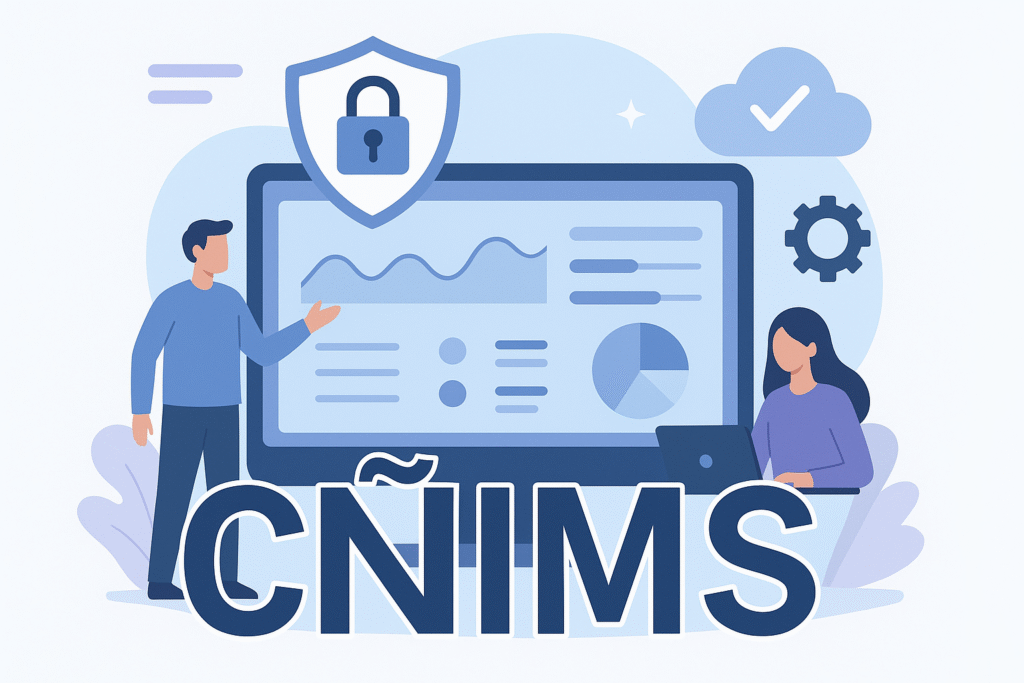
Most discuss cñims in relation to advanced systems with highly efficient features. Here are the most common characteristics:
✔ Smart Real-Time Monitoring
Cñims continuously tracks activities, movements, or data flow using automated sensors or digital logs.
✔ Intelligent Data Processing
It processes large amounts of data quickly using algorithms and AI-enhanced analytics.
✔ High-Level Security Measures
Cñims often includes secure encryption, multi-factor authentication, intrusion detection, and cybersecurity layers.
✔ Centralized Dashboard
All important information is displayed in a single, easy-to-read dashboard so users can control everything from one place.
✔ Automated Alerts & Notifications
The system sends instant alerts if it detects unusual or suspicious activity, helping organizations take quick action.
✔ Cloud Compatibility
Most modern cñims tools are cloud-based, offering remote access from anywhere.
✔ Easy Integration
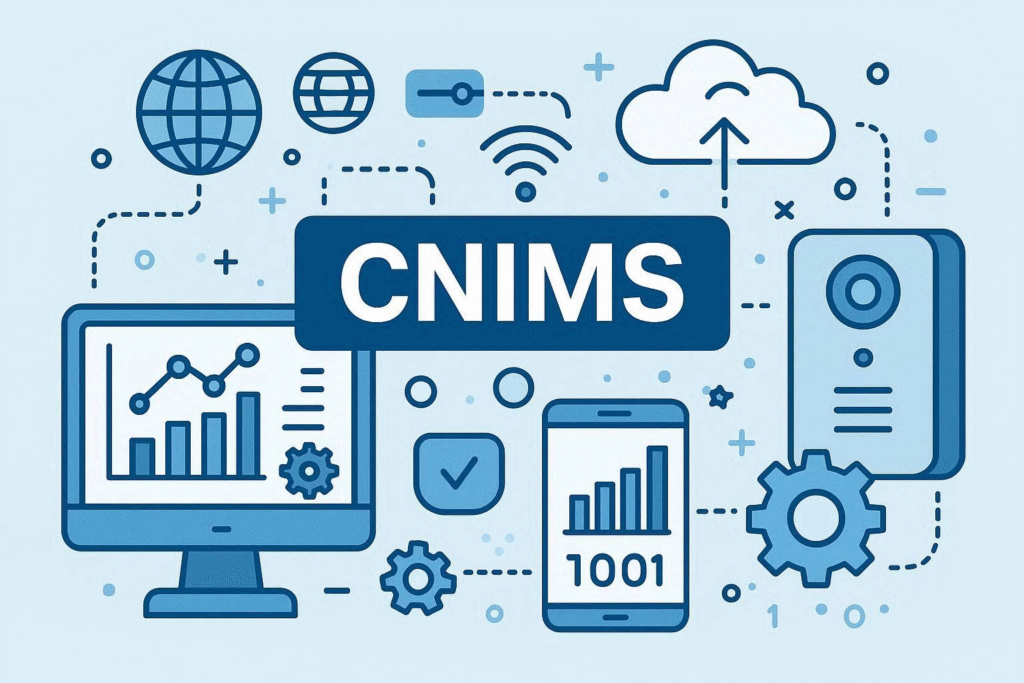
It can integrate with IoT devices, sensors, business tools, software systems, and mobile apps.
How Cñims Actually Works
Although different industries use cñims in different ways, the workflow remains generally similar:
Step 1: Data Collection
Data is collected from various sources such as sensors, machines, computers, mobile devices, websites, or databases.
Step 2: Data Storage
The collected data is stored in a secure local server or cloud database.
Step 3: Data Processing & Analysis
Algorithms, automation, or AI models analyse the data to identify meaningful trends, patterns, or issues.
Step 4: Monitoring & Tracking
Cñims keeps monitoring activities in real time and updates the dashboard accordingly.
Step 5: Alert Generation
If the system notices something abnormal, it sends an immediate alert.
Step 6: Reporting & Insights
Users can generate reports, graphs, or summaries to support decision-making.
Real-World Applications of Cñims
Cñims is extremely versatile. It is used in many fields:
A) Business and Corporate Sector
Companies use cñims to monitor employee activity, performance metrics, productivity, and workflow efficiency. It also helps track client interactions, sales data, and project timelines.
B) Cybersecurity
Cñims can detect threats, monitor networks, check login attempts, and secure sensitive information. It helps protect data from hackers and unauthorised access.
C) Healthcare Sector
Hospitals use cñims-like systems to track patient information, monitor medical equipment, manage reports, and improve staff coordination.
D) Smart Homes & IoT
Smart home systems use cñims features to automate lighting, temperature, security cameras, alarms, and energy consumption.
E) Education & E-Learning
Schools and universities use cñims to manage student records, track online learning progress, monitor attendance, and store academic data.
F) Industrial & Manufacturing Units
Factories use cñims for machine monitoring, equipment maintenance alerts, production line efficiency, and safety supervision.
G) Transportation & Logistics
Cñims helps track vehicle movement, cargo status, delivery timings, and route optimization.
Benefits of Cñims
Using a cñims-based system provides many advantages that improve productivity, accuracy, and security.
1. Improved Efficiency
Automation removes manual tasks, allowing businesses to focus on important goals.
2. Real-Time Decision Making
Immediate access to accurate data helps in making quick and effective decisions.
3. Reduced Errors
Machine-based monitoring minimises human mistakes.
4. Enhanced Security
Cñims helps protect data, devices, and infrastructure.
5. Cost Savings
Automation and quick detection of problems reduce overall expenses.
6. Better User Experience
Having everything in one dashboard makes management simple and smooth.
7. Enhanced Analytics
Cñims can convert raw data into useful insights and predictions.
Challenges and Limitations of Cñims
Even though cñims is powerful, it comes with some drawbacks:
High Initial Cost
Setting up Cñims systems may require investment in hardware, software, or integration tools.
Technical Complexity
Not everyone understands how to configure or use advanced monitoring systems.
Security Risks
If not maintained properly, even advanced systems can be vulnerable to attacks.
Dependence on Internet/Power
Cloud-based systems require stable connectivity.
Maintenance Requirements
Regular updates and security patches are necessary.
The Future of Cñims
The future of cñims is bright and continuously evolving. Experts believe cñims-style technologies will become standard in every industry over the next decade. Here’s what the future may include:
Integration with AI and Machine Learning
Cñims will become smarter, self-learning, and capable of predicting issues.
More Affordable Solutions
As technology becomes cheaper, small businesses will adopt cñims more easily.
Greater Automation
Machines will perform even more tasks automatically without human intervention.
Stronger Security
Future cñims tools will have enhanced cybersecurity measures.
Full Smart City Integration
Traffic control, public safety, and energy systems all could be monitored by cñims.
Should You Use a Cñims System?
If you run a business, manage large data, or rely on real-time monitoring, then yes, cñims can be extremely beneficial. It simplifies complicated tasks, increases safety, and provides accurate insights. Even individuals can use cñims-style tools for home automation or personal data organisation.
Döziv: Meaning, Uses, Origin & Modern Digital Relevance
Conclusion
Cñims represents a new era of intelligent automation, real-time monitoring, and advanced data management. Whether used in business, healthcare, education, smart homes, or industries, it provides powerful solutions that improve efficiency and security. As technology continues to grow, cñims will become even more important in shaping the future of digital systems.
FAQs About Cñims
1. What does cñims mean?
Cñims generally refers to a Compact Next-Generation Intelligent Monitoring System, a concept used for digital monitoring, automation, and data management.
2. Is cñims a real technology or just a term?
Cñims is a conceptual term used to describe advanced digital systems rather than one specific product or brand.
3. Where is cñims used?
It is used in business, cybersecurity, healthcare, education, smart homes, industrial monitoring, and logistics.
4. How does cñims improve security?
Cñims enhances security by offering real-time monitoring, encrypted data handling, automated alerts, and threat-detection tools.
5. Can small businesses use cñims?
Yes. Modern cñims tools can be scaled for small, medium, and large businesses, depending on their needs.
6. Does cñims require technical knowledge?
Basic tech knowledge helps, but most cñims-style systems are built with user-friendly dashboards and easy controls.
7. Is cñims expensive to set up?
Costs depend on the system size. Some cloud-based cñims tools are affordable, while industrial systems may require a larger investment.
8. Is cñims connected to AI?
Yes. Many cñims solutions use AI, machine learning, and automation to analyze data and detect patterns.
9. Can cñims work without the internet?
Cloud-based versions need the internet, but local cñims setups can operate offline in certain environments.
10. What is the future of cñims?
The future includes AI-driven predictions, more automation, cheaper systems, better cybersecurity, and smart-city integration.














Post Comment