
Can Kolltadihydo Be Cured? Proven Methods and Life-Changing Insights
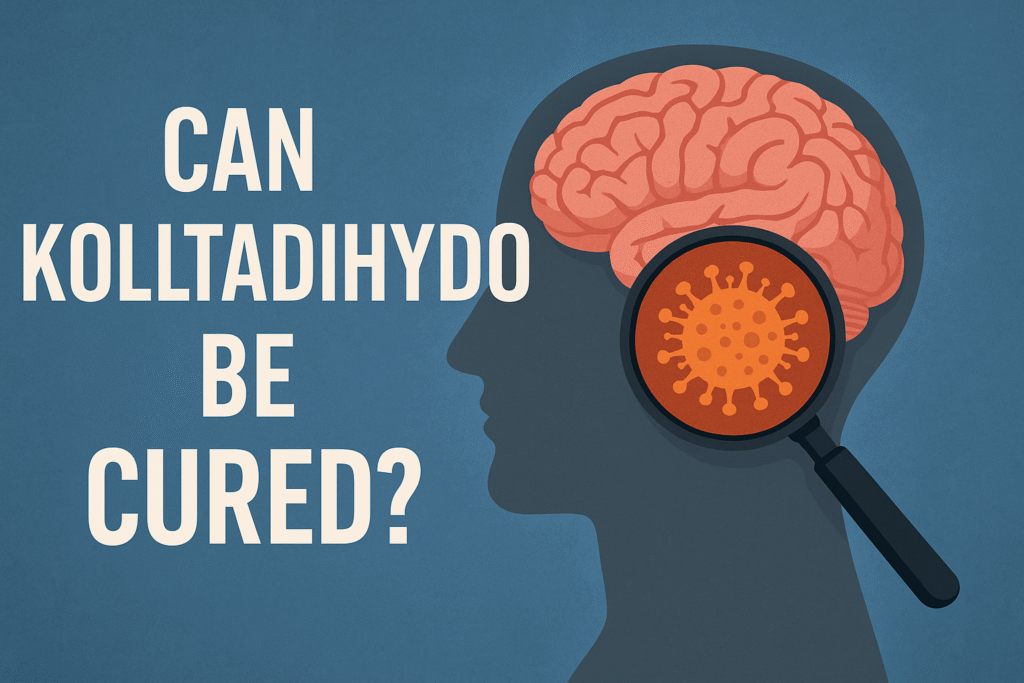
Kolltadihydo is a condition that has baffled both medical professionals and patients for years. While the name may sound obscure, it refers to a complex set of symptoms that impact both physical and mental health. Many who suffer from kolltadihydo experience a combination of fatigue, neurological disturbances, and intermittent inflammation, which can severely affect their quality of life. Medical literature has only recently begun to recognize it as a distinct disorder, which has led to both curiosity and concern in the healthcare community. One of the most pressing questions patients ask is whether kolltadihydo can be cured.
Understanding the nature of this condition is crucial before considering treatment options. Experts emphasize that kolltadihydo is multifaceted, potentially triggered by genetic, environmental, and lifestyle factors. Consequently, approaches to managing or curing it must be equally nuanced. While definitive cures are not universally acknowledged, research continues to explore targeted therapies, including personalized medicine, immunotherapy, and holistic approaches. Public awareness about kolltadihydo remains limited, which often results in delayed diagnosis and prolonged suffering. By shedding light on its symptoms, causes, and treatment options, patients can take proactive steps to manage the condition and improve overall well-being. Education, ongoing research, and patient advocacy are essential in determining whether kolltadihydo can be cured in the future.
Early Signs of Kolltadihydo and Their Impact
The onset of kolltadihydo can be subtle, making early detection challenging. Patients may notice fatigue, persistent headaches, or minor neurological symptoms, which often get misattributed to stress or lifestyle factors. However, these early signs are crucial in identifying the condition before it progresses. Families and caregivers play an essential role in observing these subtle changes, as patients themselves may overlook or underestimate their symptoms. Early intervention is considered one of the most significant factors influencing prognosis, though the ultimate question remains whether kolltadihydo can be cured entirely. Clinical studies suggest that prompt treatment may slow the progression of symptoms and improve long-term outcomes, even if a complete cure is not yet guaranteed. Diagnostic tools such as imaging studies, blood work, and genetic screenings can help confirm the presence of kolltadihydo, enabling healthcare providers to design tailored treatment plans. Patients often benefit from a multidisciplinary approach involving neurologists, immunologists, and mental health specialists. While current therapies primarily focus on symptom management, ongoing research aims to identify interventions that target the root cause. Understanding early signs empowers patients to seek medical help promptly, ultimately influencing the possibility of long-term recovery. Awareness campaigns, educational materials, and patient support networks can further enhance early recognition and care.
The Challenges of Diagnosing Kolltadihydo
Diagnosis of kolltadihydo presents unique challenges for healthcare providers. Because its symptoms overlap with many other disorders, from autoimmune conditions to chronic fatigue syndrome, misdiagnosis is common. This overlap complicates treatment planning and delays targeted interventions, making the question of whether kolltadihydo can be cured more difficult to answer. Physicians must rely on comprehensive assessments that include patient history, symptom tracking, laboratory tests, and sometimes experimental diagnostic procedures. The complexity of the condition means that traditional diagnostic methods are often insufficient. Advanced technologies, including genetic mapping and biomarker identification, are increasingly being explored to differentiate kolltadihydo from similar conditions. Additionally, patient-reported outcomes play a vital role in diagnosis, as symptoms can fluctuate and sometimes evade clinical observation. Misdiagnosis not only prolongs patient suffering but can also lead to ineffective treatments that exacerbate symptoms. Given these hurdles, patients often need to advocate for themselves, seeking multiple opinions to ensure accurate assessment. While researchers are optimistic about improved diagnostic techniques in the future, the current limitations underscore the importance of awareness and vigilance. Correct diagnosis is a critical step toward determining whether kolltadihydo can be cured or managed effectively.
Exploring Potential Causes of Kolltadihydo
The root causes of kolltadihydo remain elusive, which complicates efforts to determine if it can be cured. Researchers have proposed a range of potential contributors, including genetic predispositions, autoimmune responses, environmental exposures, and lifestyle factors. Genetic studies suggest that certain mutations or gene expressions may increase susceptibility to the condition. Similarly, environmental toxins or chronic stress might trigger the onset in genetically predisposed individuals. Immunological dysfunctions have also been implicated, with some studies suggesting that the body’s defense system may mistakenly attack healthy tissues, leading to the complex array of symptoms associated with kolltadihydo. Lifestyle factors such as poor nutrition, inadequate sleep, and lack of exercise may exacerbate the condition, though they are unlikely to be primary causes. Understanding these potential triggers is essential in designing effective treatment protocols, even if a universal cure remains uncertain. Researchers emphasize that kolltadihydo is likely the result of multiple interacting factors rather than a single cause. Consequently, therapeutic approaches must be multifaceted, addressing not only symptoms but also underlying contributors. The ongoing exploration of causes continues to fuel hope that one day kolltadihydo can be cured through a combination of medical and lifestyle interventions.
Conventional Medical Treatments and Symptom Management
Medical professionals currently rely on conventional treatments to alleviate symptoms of kolltadihydo, though these methods may not constitute a complete cure. Common approaches include medication for pain relief, anti-inflammatory drugs, and neurological support. Doctors may also prescribe therapies to address fatigue, mood disturbances, and cognitive difficulties. While these treatments can significantly improve quality of life, they often need to be combined with lifestyle modifications for optimal results. Physical therapy, dietary changes, stress management, and cognitive training are increasingly integrated into treatment plans. Clinical trials continue to explore novel drug therapies that target specific biological pathways associated with kolltadihydo. Immunotherapy, gene therapy, and regenerative medicine are promising areas of investigation, raising questions about whether future breakthroughs could provide a permanent cure. Patient adherence to treatment plans is crucial, as inconsistent management can lead to symptom relapse and decreased effectiveness of interventions. Ongoing monitoring allows healthcare providers to adjust therapies according to patient response, optimizing outcomes. While conventional treatments do not guarantee a cure, they provide essential tools for managing the disease, reducing suffering, and enhancing overall function. This combination of approaches forms the cornerstone of current medical strategies for kolltadihydo.
The Role of Lifestyle in Managing Kolltadihydo
Lifestyle modifications play a significant role in managing kolltadihydo, offering potential relief even when a definitive cure is uncertain. Nutrition, exercise, sleep, and stress management are central to reducing symptom severity and enhancing patient wellbeing. A balanced diet rich in anti-inflammatory foods may mitigate some of the systemic effects of kolltadihydo, while regular physical activity can improve energy levels and cognitive function. Mindfulness practices, meditation, and therapy can help manage the psychological impact of chronic illness, addressing anxiety and depression that often accompany kolltadihydo. Adequate rest and structured daily routines support the body’s natural recovery processes, promoting resilience against symptom flares. Patients are encouraged to work with healthcare providers to create individualized lifestyle plans that complement medical treatments. While lifestyle changes alone may not answer the question of whether kolltadihydo can be cured, they significantly influence overall prognosis and quality of life. Holistic approaches recognize that patient empowerment and proactive self-care are as important as pharmaceutical interventions. By prioritizing lifestyle factors, individuals can experience improvements in energy, mood, and functionality, making daily life more manageable despite the persistent challenges posed by kolltadihydo.
Emerging Therapies and Experimental Approaches
Scientific exploration of kolltadihydo includes emerging therapies and experimental interventions, aimed at addressing the root causes of the condition. Gene therapy, stem cell research, and targeted immunomodulation are at the forefront of studies seeking to provide more than just symptomatic relief. While still in early phases, these therapies hold potential for transforming how kolltadihydo is treated, raising questions about whether a true cure might be achievable in the future. Clinical trials are ongoing, with researchers carefully evaluating safety, efficacy, and long-term outcomes. Personalized medicine, which tailors treatment to an individual’s genetic and molecular profile, is particularly promising. By identifying the specific pathways involved in kolltadihydo, clinicians may develop interventions that halt or reverse disease progression. Participation in clinical studies also allows patients to access cutting-edge therapies while contributing to scientific knowledge. Despite the promise, these treatments remain experimental, and widespread clinical adoption is still years away. Regulatory approval, ethical considerations, and cost factors are among the barriers to making these therapies universally available. Nevertheless, continued research fuels hope and optimism for patients, suggesting that the longstanding question of whether kolltadihydo can be cured may one day have a positive answer.
Holistic and Alternative Treatments
Alternative and holistic treatments are increasingly explored by patients seeking relief from kolltadihydo symptoms. Practices such as acupuncture, herbal remedies, yoga, and meditation may complement conventional medicine, offering a broader approach to symptom management. While scientific validation is limited for some alternative methods, many patients report improvements in pain, fatigue, and mental clarity. Holistic therapies often emphasize the interconnectedness of mind and body, encouraging self-awareness, stress reduction, and lifestyle integration. These interventions are not typically curative, but they contribute to overall well-being, making daily life more manageable. Patients interested in alternative approaches should consult healthcare providers to ensure safety, avoid adverse interactions with medications, and integrate therapies into a comprehensive treatment plan. Holistic care also encourages community support, patient education, and proactive involvement in personal health management. While alternative therapies alone may not answer the question of whether kolltadihydo can be cured, they represent an important adjunct to medical treatment, particularly in enhancing resilience and coping strategies. The combination of evidence-based medicine and holistic practices provides a more complete framework for addressing the complexities of this condition.
Psychological Impacts and Mental Health Support
Living with kolltadihydo often involves significant psychological challenges. Chronic illness can contribute to anxiety, depression, and feelings of helplessness, which may exacerbate physical symptoms and complicate treatment. Mental health support, including counseling, cognitive-behavioral therapy, and peer support groups, is crucial for overall patient well-being. Emotional resilience can influence how patients respond to treatment and adhere to management plans. Mental health interventions do not directly cure kolltadihydo, but they address critical aspects of the patient experience, improving quality of life and functional capacity. Healthcare providers increasingly recognize that a biopsychosocial approach—considering biological, psychological, and social factors—is essential in managing complex conditions like kolltadihydo. Education and awareness about the mental health aspects of the disorder empower patients to seek help proactively, reducing stigma and promoting open discussion. Ongoing research also examines the connections between neurological, immunological, and psychological factors, aiming to provide more integrated treatment approaches. Mental health care is, therefore, an indispensable part of comprehensive management, even as the search for a definitive cure continues.
Nutritional Interventions and Dietary Considerations
Nutrition plays a pivotal role in managing kolltadihydo, potentially influencing symptom severity and progression. Anti-inflammatory diets, rich in fruits, vegetables, whole grains, and omega-3 fatty acids, may help reduce systemic inflammation and improve overall energy levels. Specific micronutrients, including vitamins D and B12, antioxidants, and minerals such as magnesium, have been studied for their supportive effects on neurological and immune function. Dietary adjustments can complement medical treatments, contributing to a holistic management plan. Patients are encouraged to work with nutritionists to tailor diets to their specific needs, taking into account symptom patterns, medical history, and lifestyle. While dietary changes alone are unlikely to cure kolltadihydo, they provide a foundation for better health and improved quality of life. Hydration, meal timing, and avoiding potential dietary triggers, such as processed foods or allergens, may also play a role in symptom management. Research continues to explore the relationship between diet and disease progression, offering hope that targeted nutritional interventions could one day contribute to curative strategies. A comprehensive approach to nutrition underscores the importance of proactive lifestyle choices in supporting long-term well-being for those with kolltadihydo.
Physical Therapy and Exercise Regimens
Regular physical activity is a cornerstone of symptom management for kolltadihydo. Exercise programs, tailored to individual capabilities, can help improve energy, mobility, and overall physical resilience. Physical therapy often focuses on strengthening muscles, enhancing flexibility, and maintaining neurological function. Patients may benefit from low-impact activities such as swimming, yoga, or walking, which reduce strain while promoting cardiovascular health. Structured rehabilitation programs can address specific deficits, including balance issues, coordination, or chronic pain. Exercise also positively impacts mental health, reducing anxiety and depression while improving sleep quality and cognitive function. Although physical activity does not constitute a cure, it supports holistic management strategies, enhancing the effectiveness of medical treatments and lifestyle interventions. Collaboration with physical therapists and healthcare providers ensures safe progression and personalized adjustments. Research indicates that maintaining regular, moderate exercise may help slow symptom progression, even in complex disorders like kolltadihydo. The integration of physical therapy, lifestyle optimization, and medical care forms a comprehensive approach, empowering patients to actively participate in managing their condition.
Immunological Insights into Kolltadihydo
The immune system plays a central role in the pathology of kolltadihydo. Dysregulation, whether through autoimmune reactions or chronic inflammation, is thought to contribute significantly to symptom manifestation. Understanding these immunological mechanisms is key to developing treatments that could potentially cure the condition. Researchers are investigating therapies that modulate immune responses, including targeted biologics, immunosuppressants, and personalized immunotherapy strategies. Identifying specific biomarkers of immune activity allows clinicians to monitor disease progression and tailor interventions. While current therapies mainly focus on symptom control, immunological research offers hope that addressing the underlying immune dysfunction could eventually answer the question of whether kolltadihydo can be cured. Clinical trials and laboratory studies continue to explore how immune modulation interacts with genetic and environmental factors, creating a multidimensional understanding of the condition. Patient education regarding immune health, vaccinations, and infection management is also critical. Immunological insights represent one of the most promising avenues for long-term treatment strategies, potentially transforming the management of kolltadihydo in the coming years.
Genetic Research and Personalized Medicine
Genetic studies have revealed potential links between kolltadihydo and specific gene expressions or mutations. While these findings are preliminary, they suggest that personalized medicine may offer targeted interventions that go beyond symptom management. By analyzing individual genetic profiles, clinicians can identify predispositions, predict disease progression, and select therapies with higher efficacy. This approach could pave the way for treatments that address the root cause of kolltadihydo, increasing the likelihood of a cure in the future. Current research focuses on gene therapy, CRISPR-based interventions, and pharmacogenomics, which tailor medication choices to genetic characteristics. Ethical considerations, regulatory approvals, and technical limitations remain challenges, but the potential benefits are substantial. Personalized medicine emphasizes the importance of patient-specific strategies, contrasting with traditional “one-size-fits-all” treatments. Genetic counseling also helps patients understand risks, lifestyle implications, and treatment options, empowering them to make informed decisions. While these approaches are still evolving, the integration of genetic research into clinical practice represents a promising pathway toward answering whether kolltadihydo can be cured through targeted, individualized care.
The Role of Patient Advocacy
Patient advocacy is essential in promoting awareness, research, and access to care for kolltadihydo. Advocacy groups and support networks help patients navigate healthcare systems, obtain accurate information, and participate in clinical trials. These organizations also raise public and professional awareness, increasing funding and attention for research initiatives aimed at finding a cure. Active engagement empowers patients to take control of their health journey, advocate for necessary services, and contribute to a community of shared experiences. Advocacy efforts include lobbying for policy changes, educational campaigns, and collaboration with scientific institutions. Patients involved in advocacy often report improved mental health, as participation fosters a sense of purpose and agency. By highlighting the challenges of living with kolltadihydo, advocacy groups also encourage innovation in research, which may accelerate progress toward curative therapies. Ultimately, patient advocacy strengthens the broader medical and social response to kolltadihydo, ensuring that the quest for a cure remains a priority in scientific and public health agendas.
Technological Innovations in Treatment
Advances in technology are transforming how kolltadihydo is studied and managed. Digital monitoring tools, wearable devices, and telemedicine platforms allow continuous tracking of symptoms, medication adherence, and lifestyle factors. These technologies provide clinicians with valuable data, enabling personalized treatment adjustments and early intervention for symptom flares. Artificial intelligence and machine learning are being employed to analyze complex datasets, identify patterns, and predict responses to therapies. While technological innovations do not constitute a cure, they enhance patient care, streamline management, and support research into potential curative approaches. Virtual reality and digital rehabilitation platforms also offer novel ways to address cognitive and physical challenges associated with kolltadihydo. Integration of technology into treatment plans empowers patients to actively participate in managing their condition while providing researchers with unprecedented insights. By leveraging digital tools, the medical community moves closer to solutions that may ultimately answer the critical question of whether kolltadihydo can be cured.
Environmental Factors and Disease Management
Environmental influences, including exposure to toxins, pollutants, and lifestyle stressors, may play a role in the development and progression of kolltadihydo. Understanding these factors helps patients and clinicians develop strategies to mitigate risk and manage symptoms effectively. Air quality, occupational exposures, and even household chemicals can contribute to systemic inflammation, potentially exacerbating the condition. Lifestyle modifications that reduce exposure to harmful environmental agents, combined with medical treatments, may improve patient outcomes. While environmental adjustments are not curative, they form an important component of comprehensive management strategies. Awareness campaigns, workplace safety measures, and public health initiatives also contribute to minimizing environmental risk factors. By addressing both personal and broader environmental influences, patients can better control symptom severity and maintain overall health. Research into environmental triggers continues, providing valuable insights that may inform future therapeutic innovations and potential curative strategies for kolltadihydo.
Importance of Continuous Monitoring
Continuous monitoring is critical for patients with kolltadihydo. Symptom fluctuations, progression patterns, and treatment responses require regular assessment to optimize management. Healthcare providers recommend maintaining detailed logs, using wearable technology, and attending regular check-ups. Monitoring allows for early intervention, preventing complications and supporting effective symptom control. While monitoring alone does not provide a cure, it enables timely adjustments to therapies, maximizing patient well-being. Data collected from continuous monitoring also informs research, helping scientists understand disease trajectories, identify potential treatment targets, and explore curative approaches. Patients who actively track their symptoms often report better management outcomes and improved quality of life. Ultimately, ongoing observation and documentation are integral to both personal health strategies and broader efforts to determine whether kolltadihydo can be cured.
The Role of Support Systems
Support systems, including family, friends, and patient communities, play a vital role in managing kolltadihydo. Emotional support can reduce stress, improve mental health, and enhance adherence to treatment plans. Peer support groups provide shared experiences, coping strategies, and practical advice, creating a sense of belonging and understanding. Professional caregivers, therapists, and social workers contribute to holistic care, addressing both physical and psychosocial needs. While support systems do not directly cure the condition, they significantly influence overall well-being, resilience, and the ability to engage in treatment effectively. Strong networks can also motivate patients to pursue emerging therapies, lifestyle changes, and research participation. By fostering collaboration and communication, support systems enhance the patient experience and contribute indirectly to ongoing scientific efforts to explore curative solutions for kolltadihydo.
Financial Considerations in Treatment
The cost of managing kolltadihydo can be high, particularly with advanced medical treatments, lifestyle interventions, and experimental therapies. Financial challenges may limit access to care, adherence to treatment plans, and participation in clinical trials. Insurance coverage, healthcare policies, and financial assistance programs are critical in reducing barriers. Patients are encouraged to explore available resources, including patient advocacy organizations and government support, to ensure continuity of care. While financial support does not influence the biological course of the disease, it impacts the ability to pursue comprehensive management strategies. Access to proper treatment, medications, and monitoring significantly affects symptom control, quality of life, and long-term outcomes. By addressing financial barriers, patients can more effectively engage in therapies and research initiatives that may ultimately inform whether kolltadihydo can be cured.
Global Research Efforts
Global research efforts are crucial in understanding and finding a cure for kolltadihydo. Collaboration between international institutions, multidisciplinary research teams, and patient advocacy groups accelerates scientific discovery. Shared databases, clinical trial networks, and open-access research publications facilitate rapid dissemination of findings. Advances in genomics, immunology, and pharmacology from around the world contribute to a comprehensive understanding of the condition. Patients benefit from access to international clinical trials, emerging therapies, and collaborative care models. Global research efforts also highlight the importance of standardized diagnostic criteria, symptom tracking, and treatment protocols, ensuring consistency and reliability in studies. The worldwide scientific community’s dedication to investigating kolltadihydo fuels optimism about the potential for curative therapies, demonstrating that collaborative innovation is essential in addressing complex medical conditions.
Case Studies and Patient Stories
Case studies and patient narratives offer valuable insights into the lived experience of kolltadihydo. Individual stories highlight the variability in symptoms, treatment responses, and coping strategies, illustrating the need for personalized care. While anecdotal reports do not provide scientific proof of a cure, they inform research, inspire hope, and validate patient experiences. Clinicians can learn from patient-reported outcomes, refining therapeutic approaches and identifying potential gaps in care. Sharing stories also fosters community support, reducing isolation and empowering patients to advocate for themselves. By combining case studies with rigorous clinical research, the medical community can better understand the complexities of kolltadihydo and explore innovative solutions. Patient narratives remind researchers and clinicians of the human impact of the condition, ensuring that the pursuit of curative therapies remains patient-centered.
Long-Term Outlook for Patients
The long-term outlook for patients with kolltadihydo depends on multiple factors, including early diagnosis, treatment adherence, lifestyle interventions, and access to care. While a definitive cure may not yet be universally achievable, effective management can significantly improve quality of life and functional independence. Advances in medical research, personalized medicine, and supportive care continue to enhance outcomes. Patients who actively engage in comprehensive treatment plans, monitor their symptoms, and maintain healthy lifestyles often experience better long-term stability. The prognosis varies individually, but ongoing scientific efforts provide hope that curative strategies may emerge. By integrating medical, psychological, and social support, patients can lead fulfilling lives despite the challenges posed by kolltadihydo. Continuous learning, adaptation, and proactive healthcare participation remain critical in shaping long-term outcomes.
Ethical Considerations in Experimental Therapies
Exploring experimental therapies for kolltadihydo involves important ethical considerations. Clinical trials must balance potential benefits with patient safety, informed consent, and regulatory compliance. Ethical frameworks ensure that research is conducted responsibly, minimizing harm while maximizing knowledge. Patients participating in trials contribute to scientific advancement, potentially accelerating progress toward curative solutions. Transparent communication about risks, outcomes, and alternatives is essential. Ethical oversight also addresses access to experimental treatments, equity, and affordability. While ethical considerations do not directly influence whether kolltadihydo can be cured, they shape the research landscape, ensuring responsible innovation and patient protection.
Community Awareness and Education
Community awareness and education about kolltadihydo are vital for early detection, supportive care, and research participation. Public understanding reduces stigma, encourages symptom reporting, and promotes proactive healthcare engagement. Educational campaigns targeting patients, families, healthcare providers, and policymakers enhance recognition of the condition and its complexities. Awareness initiatives can improve funding, attract research talent, and foster collaborative networks. While community education does not cure the condition, it indirectly supports scientific and medical efforts, creating an environment conducive to discovering long-term solutions. Knowledgeable communities empower patients to seek appropriate care and participate actively in research initiatives aimed at curative interventions.
Future Directions in Research
The future of kolltadihydo research is promising, with multiple avenues being explored to answer whether it can be cured. Innovations in genetics, immunology, personalized medicine, and digital health are converging to provide deeper insights into disease mechanisms. Collaborative research initiatives, global clinical trials, and technological advances are accelerating discovery. The integration of patient experiences, case studies, and advanced analytics enhances understanding and informs therapeutic development. Future research aims to move beyond symptom management toward curative interventions, addressing the root causes of kolltadihydo. With continued investment, collaboration, and innovation, the medical community hopes to provide definitive answers about the possibility of curing this complex condition, offering hope to patients worldwide.
Conclusion
Kolltadihydo remains a complex and multifaceted condition, challenging patients, clinicians, and researchers alike. While definitive cures are not yet universally recognized, advances in medical science, personalized medicine, lifestyle interventions, and patient advocacy offer hope for improved outcomes. Holistic care, psychological support, dietary management, and physical therapy complement traditional treatments, enhancing quality of life. Ongoing research, global collaboration, and emerging therapies continue to explore pathways toward a potential cure. Understanding the condition, early intervention, and proactive management empower patients to navigate their journey with resilience. While the ultimate question of whether kolltadihydo can be cured remains under investigation, the integration of scientific, clinical, and personal approaches ensures that patients receive comprehensive, patient-centered care. Continued research, innovation, and awareness are essential to turning hope into reality for those affected by this enigmatic disorder.
Frequently Asked Questions (FAQs)
What is kolltadihydo?
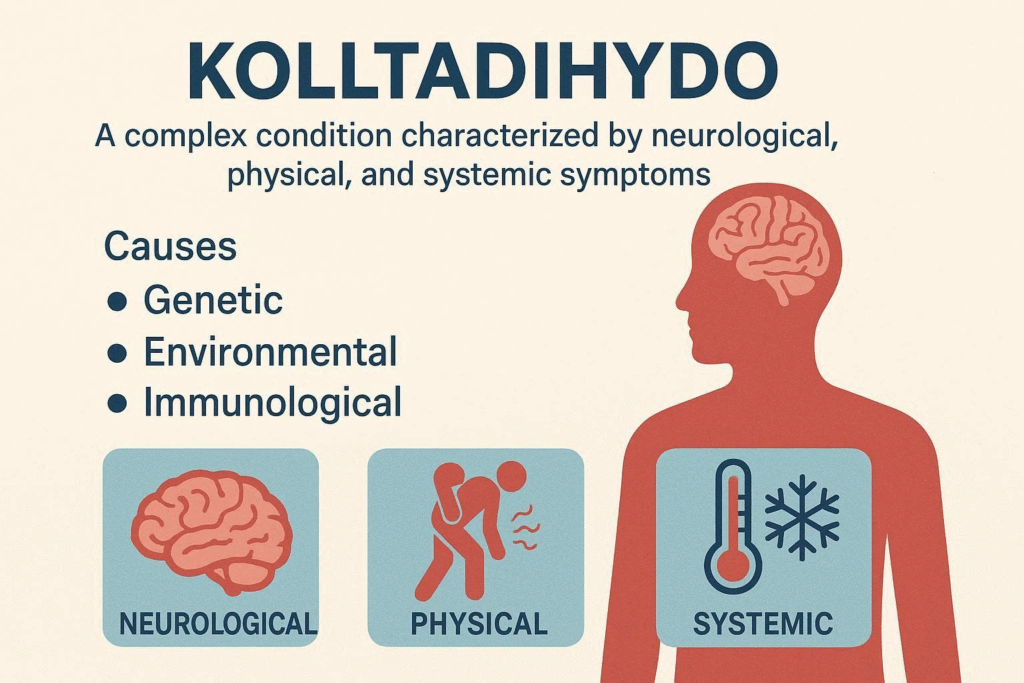
Kolltadihydo is a complex condition characterized by neurological, physical, and systemic symptoms. Its causes are multifactorial, including genetic, environmental, and immunological factors.
Can kolltadihydo be cured completely?
Currently, there is no universally recognized cure. Treatments focus on symptom management, lifestyle modifications, and experimental therapies that may address underlying mechanisms.
What treatments are available for kolltadihydo?
Treatment includes medications, physical therapy, nutritional interventions, mental health support, and holistic approaches. Emerging therapies like gene therapy and immunomodulation are being studied.
How can lifestyle changes help?
Lifestyle interventions, including diet, exercise, stress management, and adequate sleep, can reduce symptom severity and improve quality of life, though they may not cure the condition.
Is research ongoing for a cure?
Yes, global research efforts, clinical trials, and technological innovations are focused on understanding kolltadihydo and exploring curative treatments.














Post Comment