How Preventive Upgrades Safeguard Commercial Properties
Managing a commercial property is a balancing act between maximizing revenue and minimizing operational costs. Too often, property owners fall into the trap of “deferred maintenance”—waiting for a system to break down completely before addressing it. While this might save money in the short term, the reactive approach almost always leads to higher costs, disrupted tenant operations, and decreased property value in the long run.
The smarter alternative is preventive upgrading. This strategy involves replacing or improving systems before they fail, often leveraging newer technologies to improve efficiency and durability. By shifting from a reactive to a proactive mindset, owners can secure their assets against environmental wear and tear while significantly boosting their return on investment (ROI). Below are five critical preventive upgrades that can safeguard your commercial property for decades to come.
1. High-Efficiency HVAC Retrofitting
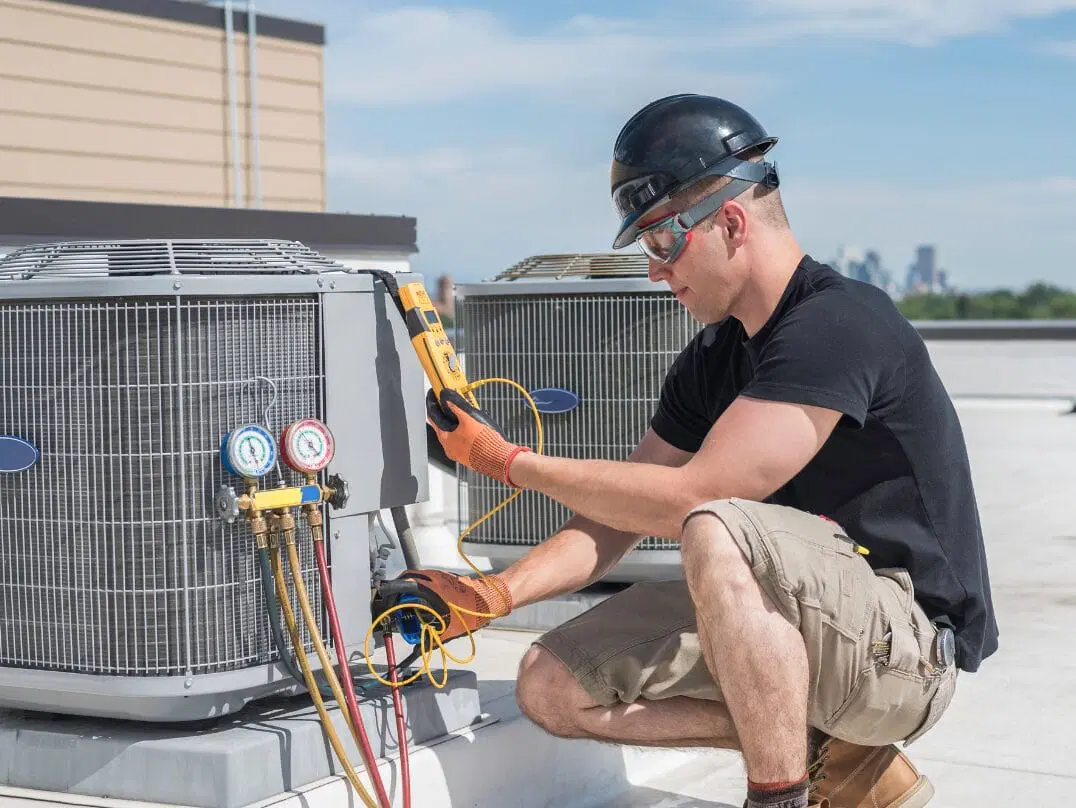
The Heating, Ventilation, and Air Conditioning (HVAC) system is the respiratory system of your building. In older commercial properties, outdated HVAC units are often the single largest contributor to wasted energy. Beyond the monthly utility bills, aging units are prone to sudden failure during peak usage times—like the hottest day of summer or the coldest week of winter—which can force tenants to close operations and demand rent abatements.
Preventive upgrading here doesn’t always mean ripping out the entire system. Retrofitting existing units with variable frequency drives (VFDs) and smart thermostats can drastically reduce energy consumption. These upgrades allow the system to run at lower speeds when full power isn’t needed, reducing wear on the motor and extending the equipment’s lifespan. Furthermore, modern air filtration systems can improve indoor air quality, a factor that has become a top priority for companies looking to lease office space.
2. Weather-Resilient Roofing Solutions
The roof is your building’s first line of defense against the elements, and in regions with harsh weather patterns, it takes a beating. Neglecting the roof until a leak appears is a recipe for disaster; water intrusion can cause mold, structural rot, and damage to tenant assets before you even notice a drip on the ceiling.
Upgrading to materials designed for specific climate challenges is one of the most effective ways to protect the building envelope. For example, business owners operating in areas with heavy snowfall and ice damming issues find that investing in a new metal roof in Michigan offers superior durability compared to traditional asphalt or flat membrane roofing. Metal systems shed snow more effectively and are resistant to cracking during freeze-thaw cycles. Regardless of location, upgrading insulation during a roof replacement can also significantly reduce thermal transfer, lowering heating and cooling costs year-round.
3. Intelligent Lighting and Electrical Systems
Lighting consumes a massive portion of a commercial building’s electricity. If your property is still relying on fluorescent tubes or incandescent bulbs, you are essentially paying for heat rather than light. A preventive upgrade to LED lighting is one of the quickest ROI projects a property owner can undertake. LEDs last significantly longer than traditional bulbs, reducing the labor costs associated with maintenance staff constantly changing burnt-out lights.
However, the upgrade shouldn’t stop at the bulb. integrating “smart” electrical controls, such as occupancy sensors and daylight harvesting systems, ensures that lights are only on when needed. This prevents energy waste in unoccupied conference rooms, restrooms, or parking garages. From a safety perspective, upgrading the electrical panels and wiring in older buildings prevents fire hazards and ensures the system can handle the increased load of modern office technology.
4. Smart Water Management Systems
Water damage is the second most common cause of commercial insurance claims. A small, undetected leak in a supply line or a running toilet can waste thousands of gallons of water and cause significant structural damage over time. Preventive upgrades in plumbing are less about aesthetics and more about monitoring and efficiency.
Installing touchless faucets and low-flow toilets reduces water consumption instantly. More importantly, integrating smart leak detection systems can save a property from catastrophe. These systems monitor water flow rates and pressure; if an anomaly is detected—such as a burst Utility Pipe Supply at 2:00 AM on a Sunday—the system can automatically shut off the main water valve and alert the facility manager. This technology transforms a potential flood into a minor maintenance ticket.
5. Automated Access and Security Integration
Physical security is a major selling point for high-value tenants. Old-fashioned lock-and-key systems are a liability; keys can be copied, lost, or not returned by former employees, necessitating expensive re-keying of the entire building.
Upgrading to a cloud-based access control system allows property managers to grant or revoke access instantly. This preventive measure protects the building against unauthorized entry and theft. Modern systems can integrate with video surveillance, allowing you to monitor entry points remotely. This not only safeguards the physical assets within the building but also reduces liability by providing a clear audit trail of who entered the property and when.
Prioritizing Long-Term Health Over Short-Term Savings
The most successful commercial real estate investors understand that a building is a living asset that requires care. While the upfront cost of upgrades can be significant, the cost of catastrophic failure is always higher. By focusing on the building envelope, energy efficiency, and smart monitoring systems, you protect your capital investment and create a superior environment for your tenants. Don’t wait for the breakdown—upgrade today to secure tomorrow.












Post Comment