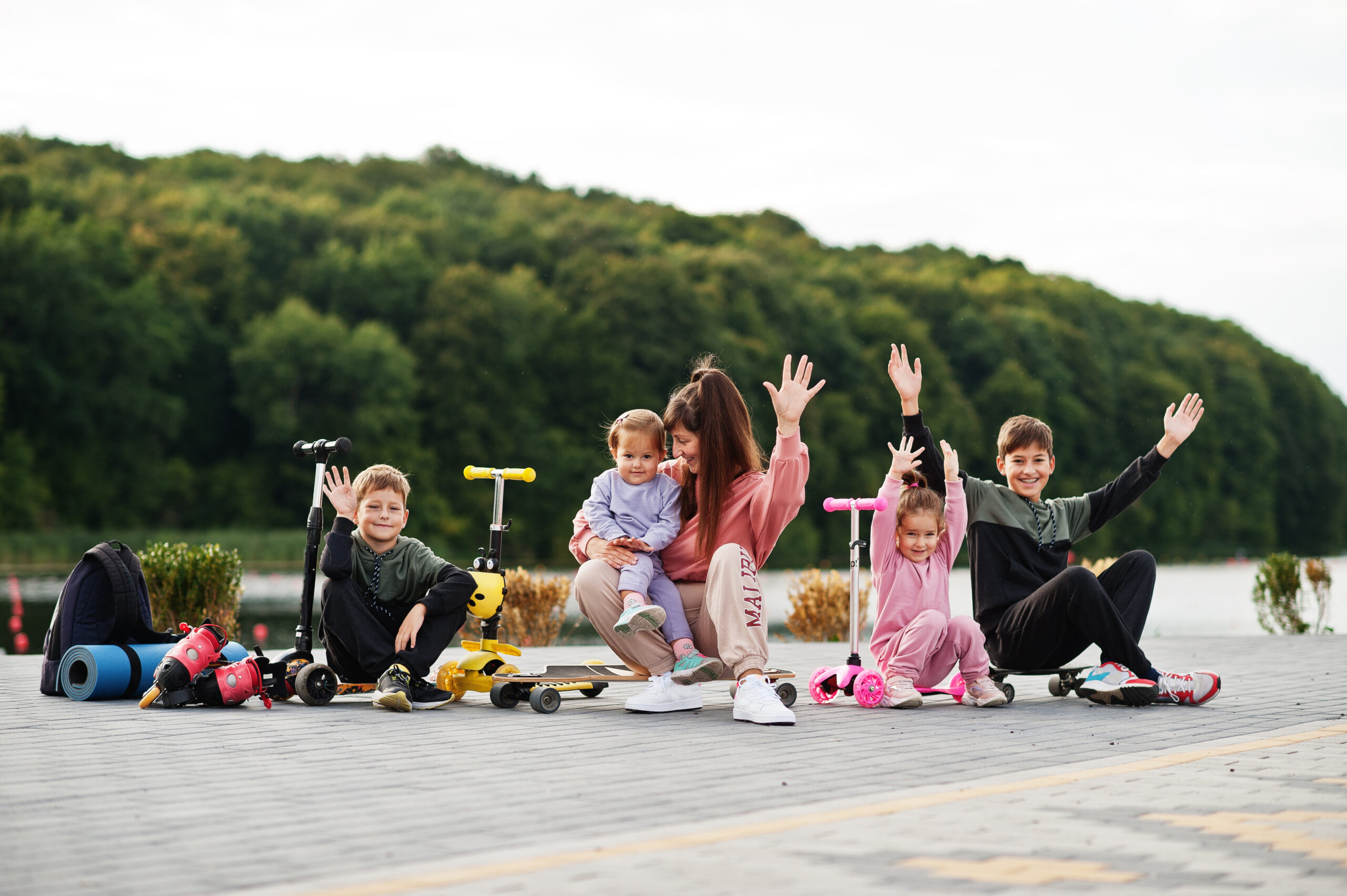
5 Active Hobbies That Bring Families Together
In an era where family downtime often means retreating to separate corners of the house to scroll through individual devices, finding ways to connect physically and socially is more important than ever. The benefits of shared physical activity go far beyond physical health; they build trust, improve communication, and create shared memories that outlast any high score on a video game.
Engaging in active hobbies as a unit isn’t just about burning calories—it’s about strengthening the family bond through cooperation and shared experiences. Whether you have toddlers or teenagers, finding common ground in movement can transform your weekends from sedentary to spectacular. Here are five active hobbies designed to get your family moving and laughing together.
1. Hiking and Geocaching: The Modern Treasure Hunt
Hiking is often cited as the ultimate family activity because it’s scalable to any fitness level. However, for younger children (and some reluctant teens), walking for the sake of walking can feel tedious. This is where geocaching comes in. Geocaching is essentially a global treasure hunt using GPS coordinates.
By combining a standard nature hike with the thrill of finding a hidden cache, you turn a simple walk into an adventure. It teaches navigation skills and patience.
- Practical Tip: Start with “easy” difficulty caches to ensure early wins for the kids. Pack a small bag of trinkets (like stickers or small toys) because the rule of geocaching is: if you take something from the box, you must leave something of equal or greater value behind.
2. Indoor Golf Simulation: Tech-Driven Activity
For families who love the idea of sports but might be limited by weather, space, or skill gaps, modern technology offers incredible solutions. Golf has traditionally been a difficult sport for families to enjoy together due to the steep learning curve and the time commitment required for 18 holes. However, simulation technology bridges this gap.
Using an e6 golf simulator allows families to play world-famous courses from the comfort of their living room or a local recreation center. It levels the playing field, allowing beginners to hit the ball without the frustration of losing it in the woods, while more experienced players can focus on their swing data. If you prefer an open-air setting that feels like a real golf course, an outdoor golf simulator lets you practice full swings and play virtual rounds right in your own backyard.
- Practical Tip: Focus on the “minigames” or driving range challenges often found in simulator software. These are usually shorter and more engaging for children than playing a full round of 18 holes.
3. Community Gardening: Growing Together
Gardening is a surprisingly active hobby that engages the whole body. Digging, weeding, planting, and watering require squatting, lifting, and carrying—functional movements that build strength and endurance without feeling like a workout.
Beyond the physical aspect, gardening teaches responsibility and delayed gratification. When a family works together to cultivate a plot, they learn about biology, nutrition, and the food cycle. Community gardens add a social layer, allowing families to interact with neighbors and learn from experienced growers.
- Practical Tip: Give each family member their own small section or “zone” to manage. Let the kids choose one “weird” vegetable or colorful flower to plant so they feel a sense of ownership over the project.
4. Family Yoga and Acrobatics
Yoga isn’t just for quiet studios; it can be a boisterous and fun family activity. “Acroyoga” or partner yoga relies on trust and communication. It involves lifting each other and balancing together, which naturally leads to giggles and tumbles.
This hobby improves flexibility and balance, which are crucial for developing bodies and aging parents alike. It also serves as a fantastic mindfulness tool, helping high-energy children learn to focus their breathing and control their movements.
- Practical Tip: YouTube is a goldmine for “Family Yoga” routines. Look for videos that incorporate storytelling, where poses represent animals or elements of nature, to keep younger children engaged.
5. Cycling and Bike Packing
Cycling is a low-impact activity that allows families to cover more ground than walking. It offers a sense of freedom and speed that kids love. Once your family is comfortable with local trails, you can graduate to “bikepacking”—a combination of mountain biking and camping.
Even if you don’t do an overnight trip, packing a picnic and riding to a destination creates a sense of journey and accomplishment. It requires route planning and safety checks, giving older children a chance to take on leadership roles.
- Practical Tip: Always ride at the pace of the slowest family member. To keep morale high during longer rides, plan pre-determined stops every 20-30 minutes for water and a quick scenery check.
These five activities—from the digital adventure of indoor golf simulation and geocaching to the analog rewards of cycling and gardening—all share a core benefit: they replace passive screen time with active, shared family time. By committing to an active hobby, you aren’t just scheduling an activity; you are investing in your family’s collective well-being, trust, and happiness. Choose the one that excites your family the most, lace up your shoes, and start building those unforgettable memories today.













Post Comment