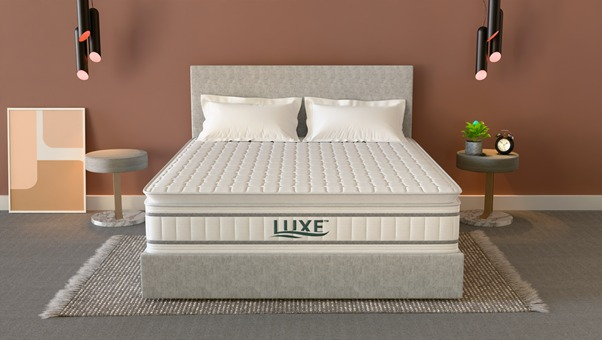
Hard Mattress vs Natural Mattress: Pros, Cons, and Sleep Health Benefits
Choosing the right mattress is one of the most important decisions for maintaining overall health and quality sleep. With back pain, posture issues, and restless nights affecting millions of people, selecting a mattress that supports spinal alignment while providing comfort is essential. Among the most popular options are an extra hard mattress and a natural mattress, often incorporating latex mattress layers for added comfort and natural support. Understanding the pros and cons of each option can help you make the best choice for sleep health.
Why Mattress Choice Matters
Your mattress directly influences spinal alignment, pressure point relief, and overall sleep quality. A mattress that is too soft allows the body to sink, creating unnatural spinal curves that can lead to back pain. On the other hand, a mattress that is too firm may cause pressure on the hips, shoulders, and lower back, leading to discomfort and interrupted sleep.
Choosing a mattress that balances support and comfort is essential for both short-term relief and long-term health benefits. Both an extra hard mattress and a latex mattress-based natural mattress aim to address these needs but in different ways.
Benefits of an Extra Hard Mattress
An extra hard mattress provides firm, stable support that keeps the body aligned throughout the night. Its rigidity makes it a popular choice for people who need strong spinal support, especially those experiencing back pain.
Key Advantages of an Extra Hard Mattress
- Spinal alignment: Maintains neutral spinal posture and reduces strain on the lower back
- Durability: High-density construction ensures long-lasting firmness
- Orthopaedic support: Often recommended by healthcare professionals for chronic back pain sufferers
- Posture improvement: Helps prevent poor sleep posture and morning stiffness
Extra hard mattresses are particularly suitable for back and stomach sleepers. By keeping the hips and spine level, they reduce lower back strain and promote proper alignment. However, side sleepers may find an extra hard mattress too rigid, leading to discomfort in the shoulders and hips.
Benefits of a Natural Mattress with Latex Layers
A natural mattress, especially one that incorporates a latex mattress layer, combines support with adaptive comfort. Made from natural materials like latex, cotton, or wool, these mattresses are chemical-free and environmentally friendly. Unlike a hard mattress, a latex mattress conforms to the body’s curves while maintaining spinal alignment.
Key Advantages of a Latex / Natural Mattress
- Adaptive support: Conforms to the body for balanced spinal alignment
- Pressure relief: Reduces tension on sensitive areas such as hips, shoulders, and lower back
- Durable and resilient: Maintains shape over time and resists sagging
- Hypoallergenic and chemical-free: Ideal for allergy-sensitive sleepers
- Temperature regulation: Natural latex allows airflow, keeping the mattress cool
A latex mattress provides firm support while cushioning key areas, making it ideal for side sleepers and anyone who experiences pressure point discomfort on firmer mattresses. It combines the benefits of support and comfort, making it suitable for a wide range of sleeping positions.
Hard Mattress vs Natural Mattress: Key Differences
The main difference between an extra hard mattress and a natural mattress with latex layers is how they provide support and comfort. A hard mattress offers uncompromising firmness that keeps the body flat, whereas a latex mattress adapts to the body’s shape, distributing weight evenly and relieving pressure points.
Pressure Distribution
Extra hard mattresses may create concentrated pressure on the hips and shoulders, particularly for side sleepers. Latex mattresses distribute body weight more evenly, reducing tension and improving comfort.
Firmness vs Comfort
While a hard mattress focuses primarily on rigidity and spinal support, a natural mattress with latex layers balances firmness with cushioning. This ensures proper posture while improving comfort for long-term sleep.
Breathability and Temperature Regulation
Latex and natural mattresses are more breathable than traditional hard mattresses. The airflow provided by latex helps prevent heat buildup, ensuring a cooler and more comfortable sleep environment.
Pros and Cons Summary
Extra Hard Mattress
Pros:
- Excellent spinal support
- Durable and long-lasting
- Ideal for back and stomach sleepers
Cons:
- Can create pressure points for side sleepers
- May feel too rigid or uncomfortable for some
Natural Mattress with Latex Layers
Pros:
- Adaptive support and pressure relief
- Chemical-free and hypoallergenic
- Breathable and temperature-regulating
Cons:
- Slightly more expensive than traditional hard mattresses
- May not feel firm enough for those who prefer ultra-rigid support
Which Mattress Is Right for You?
The best choice depends on your sleeping style, body type, and personal preferences:
- Back sleepers: Both options provide good spinal support, but a latex mattress offers additional comfort and pressure relief
- Stomach sleepers: An extra hard mattress is generally better for maintaining spinal alignment
- Side sleepers: A natural mattress with latex layers is ideal to cushion the hips and shoulders while maintaining proper alignment
Hybrid mattresses that combine a firm core with latex or natural layers provide the benefits of both options. These designs offer firm support for spinal alignment while providing adaptive comfort and pressure relief.
Final Thoughts
Both an extra hard mattress and a natural mattress with latex layers can provide significant benefits for sleep health and back support. A hard mattress offers firm, stable support that keeps the spine aligned, while a natural latex mattress adapts to the body, relieving pressure points and improving comfort.
Choosing the right mattress is an investment in your long-term health. Whether you prefer the rigidity of an extra hard mattress or the adaptive comfort of a latex mattress, prioritizing spinal alignment, support, and comfort will improve your sleep quality, reduce discomfort, and promote overall well-being.













Post Comment